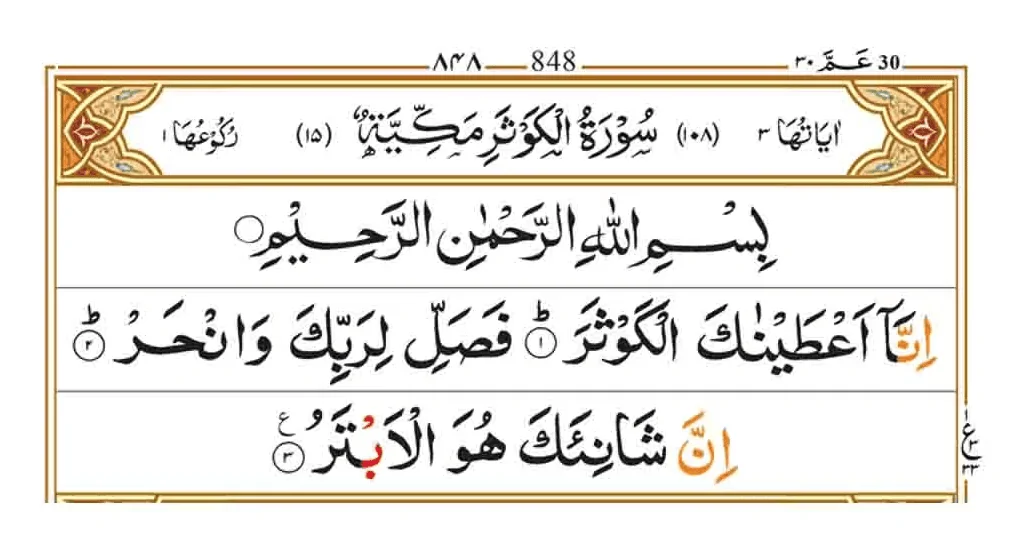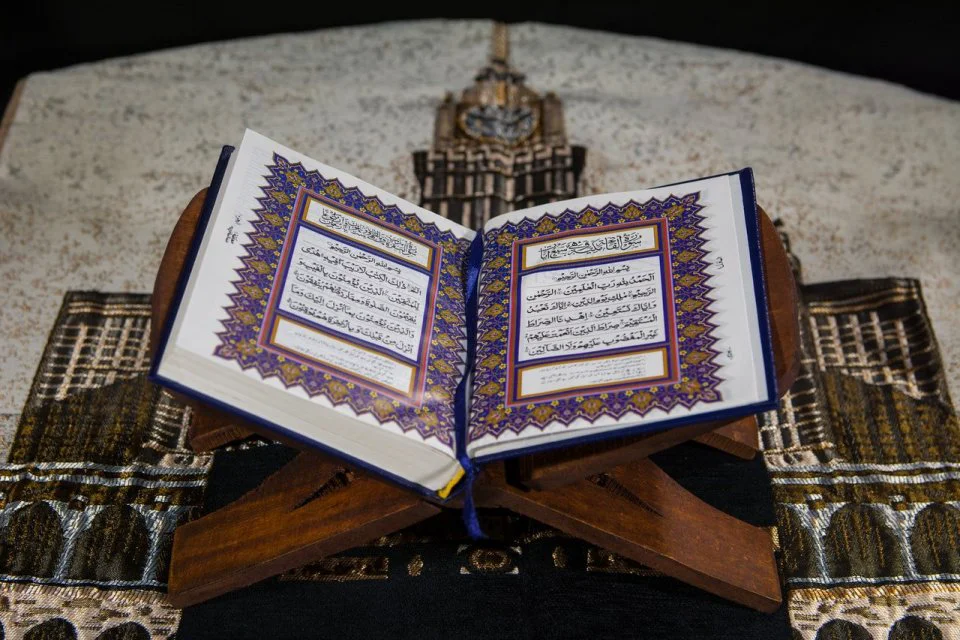

The Qur’an is a divine revelation designed to be recited with utmost care, deep understanding, and thoughtful reflection. The concepts of Al waqf wal ibtida are integral parts of this holy art of recitation. These essential principles form the foundation of Tajweed, ensuring that the Qur’an’s profound message is preserved and delivered with clarity, respect, and spiritual beauty.
In this blog, we will explore the key types and rules of Waqf and Ibtida, emphasizing the importance of their proper application in Quranic recitation, along with illustrative examples from the Quran.
What is al waqf wal ibtida in Quran?
Waqf, an Arabic term meaning “to stop”, refers to the act of pausing at certain points while reciting the Qur’an. A deliberate pause occurs by stopping the sound at the end of a word, while intending to continue the recitation afterward. These pauses are not random; they follow established rules that preserve the meanings of the verses and prevent misinterpretation.
On the other hand, Ibtida’a, which can be translated as “beginning anew”, is the counterpart to Waqf. While not simply a synonym for “starting” (بدء), Ibtida’a specifically refers to resuming the recitation after a pause, especially in a way that aligns with the context and meaning of the Qur’anic text. A proper Ibtida’a ensures that the recitation continues smoothly and meaningfully from the point of pause.
The significance of appropriate waqf & ibtida’ in recitation
Waqf & Ibtida are essential tools that preserve the meaning, beauty, and reverence of the Qur’anic message.
- A Qur’anic command
Allah says:“وَرَتِّلِ ٱلْقُرْءَانَ تَرْتِيلًا” “Recite the Qur’an in a measured, deliberate tone.”
This verse highlights the importance of reciting with precision and awareness, and these qualities are achieved through Tarteel.
According to Ali Ibn Abi Talib, mastering Waqf and Ibtida’ is half of Tarteel, emphasizing their foundational role in correct recitation.
Other benefits include:
- Clarifies the Context: Pausing at the right spots helps the reader grasp the structure and meaning of each verse.
- Enhances Recitation: Following Waqf and Ibtida’ rules brings balance and rhythm, beautifying the recitation.
- Invites Reflection: Pauses allow moments to reflect on the verse, deepening spiritual connection.
- Aids Memorization: Natural stopping points make it easier to break down and memorize the Qur’an.
Types of Waqf in tajweed
There are 3 main types of waqf these are:
- Optional waqf
- Compelled waqf
- Test waqf
1- Optional waqf:
This refers to a pause made by the reciter’s personal choice, not due to grammatical necessity or a marking in the text. The reciter has flexibility in choosing these stops, guided by understanding of the verse and its context. These pauses can enhance comprehension and allow the listener time to absorb the message.
Although optional, this type of waqf has 4 rules that will be discussed later to ensure clarity and accuracy.
2- Compelled waqf
This one occurs when the reciter is forced to pause due to an uncontrollable situation, such as shortness of breath, coughing, sneezing, fatigue, or even sudden forgetfulness.
In these cases, the reciter is permitted to stop at the end of the current word, even if the meaning is incomplete. This type of stop is based purely on necessity, not intention.
Once the situation passes, the reciter should resume from the word they paused on, but only if it forms a sound beginning. If it doesn’t make sense to start from that point, the reciter should go back a word or more to resume from a place that preserves the meaning and flow of the verse.
3- Test waqf
Test Waqf occurs during teaching or examination. In this situation, a teacher may interrupt the reciter to correct mistakes.
The student pauses when instructed, corrects the error, and then resumes recitation. This type of stop is not based on the text, but rather on the need for correction and learning.
It’s an essential part of Qur’anic education, helping students develop accuracy and discipline in their recitation.
The 5 rules of optional waqf
1- Permissible Stop (الوقف الجائز)
Here, the word is connected to what follows in grammar and meaning, but the pause still gives a complete idea.
2- Sufficient Stop (الوقف الكافي)
In this type, the word is linked in meaning but not grammar to what follows. Most times it is applied at the end of verses. You may stop or continue; both are valid.
Example: فِي قُلُوبِهِم مَّرَضٌ فَزَادَهُمُ اللَّهُ مَرَضًا ۖ (Al-Baqarah)
3- Complete Stop (الوقف التام)
This is where a single word is independent in both meaning and grammar. This form of Waqf usually appears at the end of individual ayahs. Preferred to stop here and then begin anew.
4- Good Stop (الوقف الحسن)
In this stop, the word has a complete meaning on its own but remains grammatically and contextually linked to what follows. It helps convey a clear idea, yet you shouldn’t start from the next word unless it’s the end of an ayah. Allowed to stop, but not to begin what follows directly.
4- Hated Stop (الوقف القبيح)
This is a discouraged, nonpermissible stop where the word is tightly linked to what follows in both meaning and grammar. Waqf here may cause misunderstanding..
Example: Stopping at ٱلْحَمْدُ in ٱلْحَمْدُ لِلَّهِ رَبِّ ٱلْعَـٰلَمِينَ (Al-Fatiha 1:2).
Waqf signs in Quran with examples
The Quran has many defined symbols that direct the reciters to where to end, pause, and continue. Each sign plays a crucial role in preserving the correct meaning and enhancing the flow of recitation:
- Mandatory Waqf [مـ]: This is a compulsory stop where the reciter must pause completely and begin anew with the following word to preserve the intended meaning.
Example: إِنَّمَا يَسْتَجِيبُ الَّذِينَ يَسْمَعُونَ مـ
- [لا]: Stopping here is prohibited since the verse may be misinterpreted or incomplete. The reciter must continue without pause.
Example: ٱلَّذِينَ تَتَوَفَّىٰهُمُ ٱلْمَلَـٰٓئِكَةُ طَيِّبِينَ ۙ
- [ج]: The reciter has the option to either stop, or to continue without detracting from the meaning. Both actions are acceptable.
Example: رَبَّنَآ إِنَّكَ جَامِعُ ٱلنَّاسِ لِيَوۡمٖ لَّا رَيۡبَ فِيهِۚ
- [صلى]: It is allowed to Waqf, but the best option is to continue, in order to maintain recitation fluency and coherence.
Example: فَأَمَّا ٱلَّذِينَ فِي قُلُوبِهِمۡ زَيۡغٞ فَيَتَّبِعُونَ مَا تَشَٰبَهَ مِنۡهُ ٱبۡتِغَآءَ ٱلۡفِتۡنَةِ وَٱبۡتِغَآءَ تَأۡوِيلِهِۦۖ
- Better to Stop [قلى]: Though continuing is allowed, it is preferable to make a stop at this point to reflect on the meaning.
Example: وَمَا يَعۡلَمُ تَأۡوِيلَهُۥٓ إِلَّا ٱللَّهُۗ
- Mutual Exclusivity Mark [∴]: When this symbol appears in two places within a verse, the reciter may stop at one but not both. It is also allowable to proceed without pausing by either.
Example: ذَٰلِكَ ٱلۡكِتَٰبُ لَا رَيۡبَۛ
- Sakt Sign [س]: This sign indicates a very brief pause without taking a breath, allowing for subtle reflection without breaking the recitation’s rhythm.
Example: كَلَّا بَلْ ران
Where to Start? Rules of Ibtida’ in the Quran
The Ibtida can also be broken into two main categories; allowed and disallowed.
1. Permissible
This occurs when it is appropriate to start reciting after a pause without disrupting the intended meaning. It has three main forms:
- Complete Ibtida: The new beginning introduces a fresh idea, independent of what came before, both in wording and meaning. Starting here does not rely on any prior context.
- Sufficient Ibtida: The ibtida connects in meaning to the previous piece only in meaning. It can stand on its own while maintaining the overall sense.
- Acceptable Ibtida: The beginning is linked closely to what came before, both in wording and meaning.
2. Nonpermissible
This type of beginning is discouraged because it changes or confuses the intended message:
- Ibtida that causes wrong meaning: Starting at such points leads to a misunderstanding or a meaning opposite to what the verse intends.
- Ibtida that results in incomplete or unclear meaning: Beginning here leaves the phrase unfinished or ambiguous, making comprehension difficult.
Understanding these categories helps ensure that the Quran is recited in a way that respects the original message and enhances clarity.
Learn tajweed online with E-hoopoe
Al waqf wal ibtida in Quran are two fundamental principles that play a vital role in the art of Tarteel. Mastering these rules ensures the true meaning and beauty of the Quran are preserved, allowing each verse to be recited with clarity, precision, and reverence.
At E-hoopoe, we provide the best online Tajweed course suitable for students of all levels. Our experienced instructors provide clear, step-by-step guidance on Tajweed rules, covering proper pronunciation, rhythm, and the essential concepts of proper recitation. With flexible learning options, our course allows you to improve your recitation skills conveniently from the comfort of your home.
Join us today to learn tajweed with expert instructors. Book your free trial now!