
How to learn Arabic of the Quran from beginner to advanced?
Is one of the most important journeys any Muslim can start. Understanding the Quran in its original language unlocks meanings, depth, and spiritual clarity that translation alone can never fully deliver. Yet many non-Arabic speaking Muslims feel overwhelmed, thinking Quranic Arabic is too difficult, too complex, or requires years of study. The truth is: with the right step-by-step method, anyone can master Quranic Arabic—even from zero.
This guide is designed to take you from absolute beginner to confident reader and understanding student of the Quran. You’ll learn how to start with Arabic letters and sounds, build a strong foundation in Quranic vocabulary, master essential Arabic grammar for the Quran, and gradually understand verses without relying on translations. The key is following a structured learning plan that grows with you, instead of random lessons that cause confusion and frustration.
For Muslims living in the US, UK, Canada, Australia, Switzerland, and UAE, learning Arabic online has become the fastest and most effective way to understand the Quran. By combining listening, reading, speaking, and reflection, you can build real fluency step by step. This article will show you how to use proven tools such as Quranic Arabic courses for beginners, daily practice routines, memorization strategies, and guided explanations that make learning Arabic simple and motivating.
You’ll discover the best method to learn Arabic for the Quran, how to stay consistent even with a busy schedule, and how to move from basic understanding to advanced comprehension of Quranic expressions, grammar structures, and meanings. Whether your goal is to understand Salah, follow the Imam in prayer, reflect on verses deeply, or teach your children the Quran, this guide gives you a clear roadmap.
Don’t delay your connection with the Quran. Start learning the Arabic of the Quran today, follow this beginner-to-advanced path, and experience the Quran the way it was revealed—clear, powerful, and life-changing.
Learning the Arabic of the Quran can be challenging, but the rewards are immense. Embarking on the journey of mastering the Arabic of the Quran from beginner to advanced is a life-changing journey. It helps you connect more deeply with the Quran. This journey not only improves your understanding of the Quran’s message but also makes your recitation, prayers, and knowledge of Islam stronger. With steady effort and commitment, you can move from a beginner to an advanced level, discovering the beauty and depth of the Quran in its original language
What is the difference between Quran Arabic and modern Arabic?
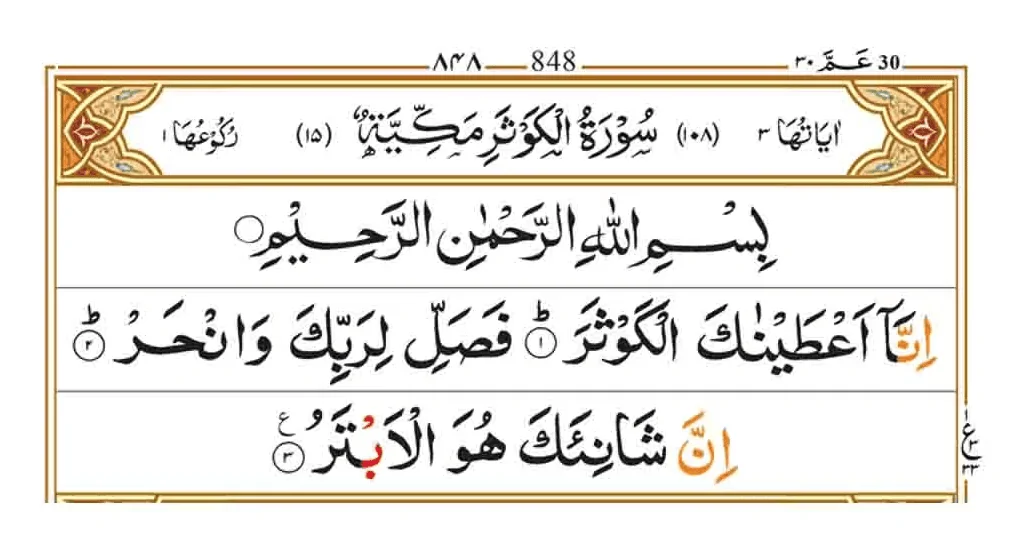
Quranic Arabic (or Classical Arabic) and Modern Standard Arabic (MSA) share similarities but differ in several key areas:
- Vocabulary: The Quran has the usage of words that would have been popular centuries ago but may not be popular now. The meaning of some of these words has changed some over the centuries.
- Style: The Quran has a poetic and formal style and uses techniques of metaphor or dilated vowels that are not common in modern Arabic; this makes it deeply profound and complex.
- Grammar: The basic grammatical constructions of both Qur’an and modern Arabic are the same; nevertheless, some constructions used in it and some forms of the verbs are outdated or no longer used today.
- Usage: Quranic Arabic is mainly used for religious purposes, especially for reading and studying the Quran. Modern Standard Arabic, however, is used in everyday formal situations, like in the media, education, and official communication across the Arab world.
In short, while both forms are closely related, Quranic Arabic is more classical, literary, and sacred, whereas MSA is modern and used for communication in contemporary contexts.
Why is it important to learn Quranic Arabic?
Learning Quranic Arabic is very important for many reasons. It helps Muslims feel closer to their faith and culture. Here are the main points:
- Deeper Connection with the Quran: By learning Quranic Arabic, Muslims can understand the Quran better, feel more connected to it, and apply its lessons in their daily lives.
- Accurate Understanding: The Quran was revealed in Arabic. While translations exist, they often don’t capture the full meaning and details of the original text. Knowing Arabic helps avoid mistakes and keeps the Quran’s true message clear.
- Expanding Knowledge: Knowing Quranic Arabic allows people to read and understand more advanced Islamic texts. This deepens their knowledge and helps them better grasp Islamic teachings.
- Improving Tajweed: Learning Quranic Arabic is essential for mastering tajweed, which is the correct way to pronounce and recite the Quran. This ensures prayers (Salah) are performed with proper pronunciation and rhythm.
- Improving Prayer Experience: Knowing Quranic Arabic helps you feel more connected during Salah because you can understand the meaning of what you are reciting. This makes your spiritual experience deeper.
- Cultural and Global Awareness: Being good at Arabic helps you understand Islamic culture and traditions better. It also makes it easier to communicate with Muslim communities around the world.
- Religious Responsibility: Learning Quranic Arabic is not just a personal duty but also a community responsibility in Islam. It helps you understand and memorize Quranic verses better and allows you to fulfill your religious duties more effectively.
Challenges of learning Quranic Arabic
- Grammar: Quranic Arabic grammar is complicated; its verb forms, tenses, and sentence structures are different from the common dialects of Arabic.
- Special Vocabulary: The language contains words whose meanings are fixed to some historical context; hence, their comprehension becomes quite difficult without explanation.
- Poetic Nature: The language of the Quran is inherently poetic, replete with metaphors and other forms of expressive speech that demand attentive study for full comprehension.
- Pronunciation: Correct pronunciation with the required rhythm to recite this Holy Book is not easily learnable, which might be far more difficult for non-native speakers.
- Lack of Short Vowels: Most of the words within the Quran don’t include their vowels, which, in turn, keeps the meaning vague.
- Cultural Knowledge: Comprehension of certain parts requires some background about Islamic history and culture.
- Time and Effort: Mastering Quranic Arabic needs time, effort, and practice on a regular basis..
Despite these challenges, with the right resources, guidance, and commitment, learners can overcome the obstacles of learning arabic language of the quran
Helpful tips to learn Arabic of the Quran from beginner to advanced
- Start with the Basics
If you’re just starting, focus on the basics of Arabic of the Quran for beginner level. Begin by learning the Arabic alphabet, pronunciation, and basic grammar. Familiarize yourself with essential words and phrases used in the Quran.
- Enroll in Structured Courses
Take online courses designed for Quranic Arabic, which provide organized lessons covering vocabulary, grammar, and recitation.
- Practice Regularly
Set aside some time every day to read and recite Quranic verses. Begin with shorter ones and slowly move on to longer ones.
- Surround Yourself with Arabic
Listen to Arabic media, like Quranic recitations and Islamic talks, to help you learn better and understand the cultural background of the Quranic language.
- Build Your Vocabulary and Grammar
Focus on frequently used Quranic words and traditional Arabic grammar to grasp how the language is structured and what the Quranic text means.
- Track Your Progress
Keep track of your learning and celebrate small victories. Reflecting on your progress regularly helps you stay motivated and concentrated on further improvement.
5 practical ways to overcome common challenges
- Understand Grammar Step by Step: Quranic Arabic has tricky grammar. Start with simple sentences and slowly move to harder ones. Use clear lessons and tools that make grammar rules easy to follow.
- Listen Carefully to Get Better: Regularly listening to good Quran reciters helps you say words correctly. Copy how they pronounce words, their rhythm, and where they pause to improve your Tajweed skills.
- Learn Key Words: The Quran has special words that might not be used in common modern Arabic. Make a list of such words and remember them and their meanings by using flashcards.
- Practice daily: You can only remember when you do it routinely. Devote some time each day for reading the text of the Holy Quran and try to recite and understand the meaning, even if it is a few verses.
- Join a Learning Community: Engage with others who are learning Quranic Arabic as well. Online study groups or forums can provide opportunities for discussion, feedback, and shared learning to help you stay motivated and overcome challenges.
E-Hoopoe: Innovative online platform for mastering Arabic
E-Hoopoe is an innovative online platform designed to help learners master Quranic Arabic with ease and precision. With a set of interactive and structured lessons, E-Hoopoe offers personalized methods to suit both the beginner and the advanced learner.
The platform’s online Quranic Arabic courses for advanced learners are valuable, as they provide in-depth lessons on Quranic texts, helping students refine their reading, comprehension, and recitation skills while mastering the nuances of the language.
With expert tutors, engaging tools, and a focus on Tajweed, E-Hoopoe makes learning Quranic Arabic accessible, effective, and flexible for learners worldwide.
How E-Hoopoe’s personalized approach keeps you motivated
E-Hoopoe follows personalized methodology that keeps you motivated along your learning, with customized lessons to suit your learning pace and proficiency level. This course is meant for beginners and advanced learners with a progressive pace, allowing you to comfortably learn while challenging yourself all the time.
With regular feedback from experienced instructors and interactive features like quizzes and progress tracking, E-Hoopoe ensures that you stay on track and feel a sense of accomplishment as you master Arabic of the Quran from beginner to advanced.
This special, goal-focused way of learning helps you stay on track, feel more confident, and keeps you eager to reach your learning targets.
Frequently asked questions
- Is it obligatory to learn Arabic of the Quran?
It’s not a must for every Muslim to learn Arabic, but it’s strongly encouraged and very important for those who want to fully understand and connect with the Quran. By learning the Arabic used in the Quran, Muslims can experience the holy message in its original form, which helps them grasp its deeper meanings and lessons better.
- How long does it take to learn Arabic of the Quran from beginner to advanced?
The duration can vary greatly depending on several factors, including your prior language experience, learning techniques, commitment, and the depth of understanding you wish to achieve. With consistent effort, it generally takes anywhere from 1 to 3 years to reach an advanced level.