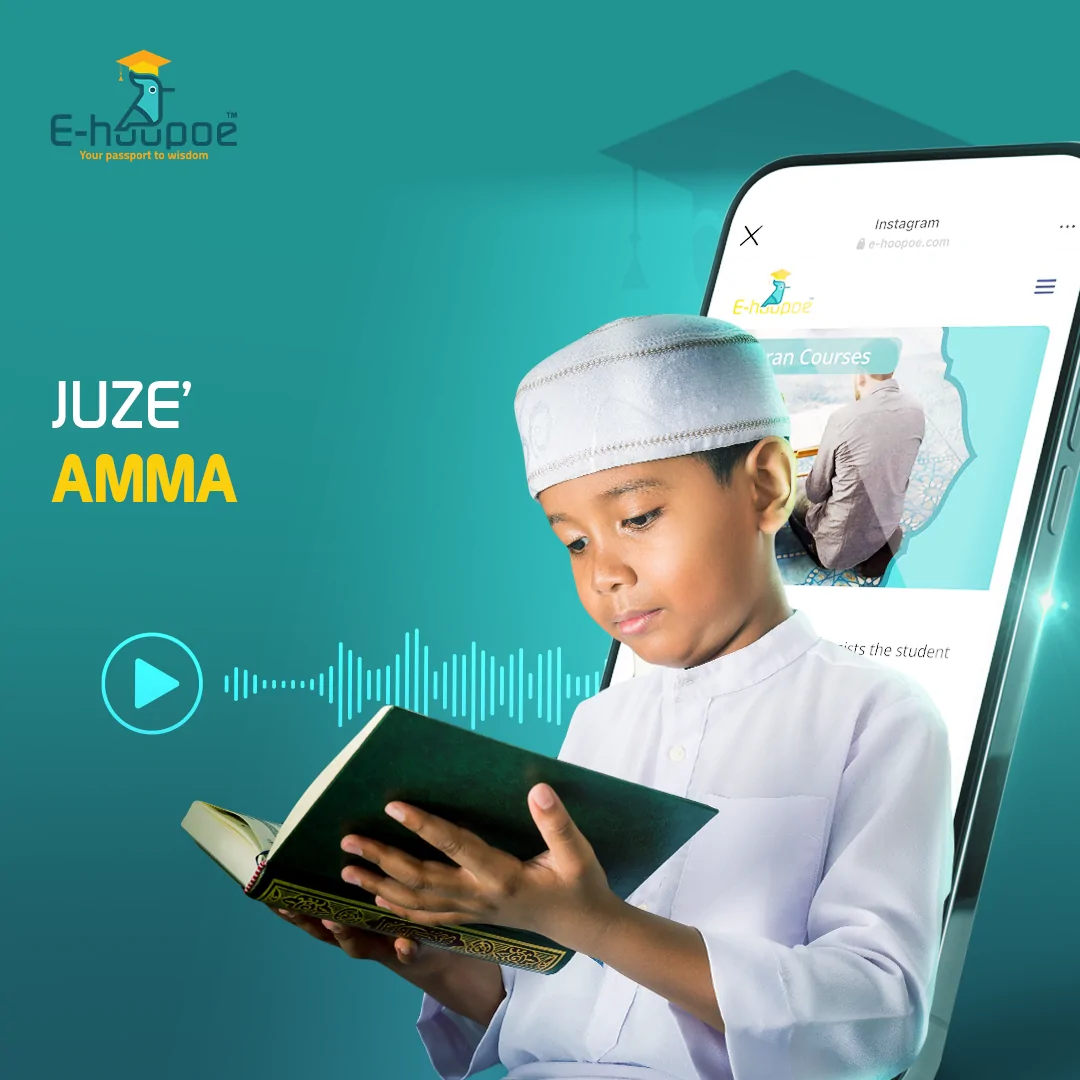

The Foreign Service Institute (FSI) has classified Arabic as a Language Group V, which means it is one of the more complex languages for native English speakers to learn. Because of this complexity, the best age to start learning Arabic is at a younger age when children’s brains are highly adaptable and primed for language acquisition. Starting early gives children the best opportunity to learn Arabic naturally, unforced, and effortlessly, building a strong foundation toward fluency with time. However, you can always start at any age.
The Best Age to Start Learning Arabic
The best age to start learning Arabic is different for every learner, but generally, the earlier, the better. Young brains are highly adaptable, and it is easier for children to pick up new languages. Though there is no perfect age for all, starting early can provide a great advantage in acquiring pronunciation, grammar, and overall fluency. For adults, though language acquisition may take more time and effort, it’s still very much possible to learn Arabic effectively with the right approach and dedication
When Should Children Learn Arabic?
When it comes to teaching children Arabic, starting early is key. During the first few years of life, children’s brains are incredibly adaptable, making it easier for them to learn new languages. The most significant development occurs before they turn five, with many children saying their first words by the age of two. Although Arabic may be a second language for your child, beginning their learning journey before the age of eight allows them to acquire the language more naturally and effortlessly. Learning Arabic at a young age can facilitate smoother language acquisition, providing children with a solid foundation for fluency. While it’s still possible to learn Arabic later in life, the process can become more challenging as they age. Introducing your child to Arabic early on gives them a wonderful opportunity to engage with the language and the rich culture of the Arab world.
Booking Arabic conversation course with E-hoopoe provides your child with the perfect opportunity to enhance their language skills in a fun, engaging way.
Benefits of Learning at Younger Ages
Young Minds are Adaptable to Learning
- Children have very flexible brains, especially in their early years, and thus are very receptive to new information.
- Their cognitive skills, such as memory and pattern recognition, are at their peak during these tender years, which enables them to grasp Arabic words and sentences with speed and accuracy.
- They are more open to diverse linguistic structures, making it easier for them to grasp Arabic’s unique features with greater ease and fluency.
Easier to Pick Up Arabic Pronunciation
- Young learners can mimic sounds and accents with remarkable precision, which is a key advantage when learning Arabic.
- They can master the intricate sounds of Arabic much more easily than adults.
- This early mastery of pronunciation helps establish a solid foundation for accurate and confident communication in Arabic.
Fewer Prior Language Habits
- Unlike adults, children don’t carry established language habits or patterns from their native tongue.
- This clean mind enables them to easily adjust to the unique aspects of the Arabic language, including the right-to-left writing system and its distinct sentence structures.
- With fewer ingrained language habits to unlearn, children can advance more seamlessly and effectively, resulting in a quicker and more organic learning experience.
6 Tips to Help Children Learn Arabic Easily
- Arabic Language Games: Games are an exciting and interactive way that kids learn Arabic. In fact, games develop children’s creativity and help them reinforce new vocabulary and concepts in a relaxed atmosphere where children can practice Arabic, making it easier to remember the words and expressions.
- Funny Flashcards: Flashcards are an engaging tool for reinforcing vocabulary and concepts. Coloured and humorous images will catch their attention, and it would be easy for them to memorize words with their meanings.
- Interesting Videos for Kids: There are several educational videos which let the kids be fully immersed into Arabic.
- Sing Songs in Arabic: Singing is an excellent way to learn a new language, especially Arabic. Songs with simple and repetitive lyrics can help children pick up new vocabulary and enhance their pronunciation. The rhythm and melody make it easier for them to remember the language, and by singing along, they become more accustomed to the sounds and flow of Arabic.
- Create Immersive Environment: Surrounding your child with Arabic in their everyday surroundings can make a significant difference. Labeling objects around the house in Arabic, using simple phrases throughout the day, and encouraging them to speak in Arabic during daily interactions all help reinforce language learning.
- Storybooks and Interactive Reading: Reading stories in Arabic with colorful illustrations helps kids learn new words and sentence structures in a fun, interactive manner.
Can Adults Learn Arabic?
Yes, adults can definitely learn Arabic, though it comes with some unique challenges. While kids might have an easier time picking up new languages, adults are still fully capable of mastering Arabic with dedication and the right approach.
Since Arabic is more complicated, adults would require much time to get deeply into it. The FSI estimates that about 2,200 hours are needed to achieve fluency, or roughly a very long-term commitment-but certainly achievable with consistent practice and immersion.
Things to Consider When Learning Arabic
1- Arabic is quite different from English: As a native English speaker, you may find Arabic more challenging due to its distinct script, sounds, and grammar. The structure of sentences and the vocabulary can be quite different, making it a tough adjustment initially.
2- Choose the type of Arabic: Arabic has multiple forms, and it’s important to clarify what you want to focus on. The two main categories are:
- Modern Standard Arabic (Fus-ha): This is the formal, classical form used in media, literature, and education. It’s the version typically taught in universities and is based on the language of the Quran.
- Dialects: Each Arab country has its own spoken dialect, and these can differ greatly from one another. Dialects are used in everyday conversation, so if you’re planning to travel or live in a specific region, learning the local dialect might be more practical.
3- Patience is key: Achieving fluency in Arabic requires time. It’s a long journey, but the experience of learning a new language is incredibly rewarding.
Learn Arabic at Any Age wit E-hoopoe
If you’re looking to learn Arabic at any age, E-hoopoe offers a great opportunity for both children and adults. As the best age to start learning Arabic is not fixed and really depends on the individual, E-hoopoe’s flexible, online courses are designed for learners of all ages and skill levels.
E-hoopoe offers courses in both Quranic Arabic and Modern Standard Arabic (MSA), so you can choose the path that suits your needs. All lessons are taught by native Arabic speakers who speak English fluently, which helps ensure an authentic learning experience. Plus, the platform provides a range of interactive activities that make learning more engaging and effective.
For those looking to dive deeper into the language in a shorter time, E-hoopoe also provides a great opportunity through its Intensive Arabic Course Online, helping you accelerate and solidify your studies while aiming for fluency.
Ready to get started? Book your free trial today to learn more about how E-hoopoe can support your Arabic learning journey.
Frequently Asked Questions
- Is 30 too old to learn Arabic?
No, you can always start at any age, with dedication and the right approach, you can also successfully learn Arabic and make great progress
- How many years I need to learn Arabic?
It typically takes around 2 to 3 years to reach proficiency in Arabic with consistent study, depending on your learning approach and dedication.