The Quran, the eternal guide for Muslims, has been revealed over time and continues to be a source of wisdom for people across the world. As it has been translated into many languages and is recited in various styles, one common question often arises: How many pages of Quran? Is this number fixed, or does it vary across different editions?
In this blog, we will explore the structure of the Quran, explaining how it is organized and why the answer to how many pages are there in the Quran can vary across different editions. We’ll also discuss the reasons behind the differences in recitation styles and how these variations impact the way the Quran is read and understood.
How was the Quran revealed?
The Quran was revealed to the Prophet Muhammad (PBUH) over a period of approximately 23 years, beginning in 610 CE, through the Angel Jibril (Gabriel). The revelation occurred in stages, gradually addressing various aspects of faith, guidance, laws, and moral teachings in response to the circumstances of the time. It was revealed in Arabic and was initially memorized by the Prophet and his companions, with written portions being compiled later. The Quran’s revelation was not continuous but took place in varying lengths, sometimes lengthy, at other times short, depending on the situation or need for guidance. It was ultimately compiled into a single text after the death of the Prophet Muhammad (PBUH) under the caliphate of Abu Bakr and Uthman.
How is the Quran structured?
Before answering how many pages of the Quran, we need to highlight how the quran is structured.
- Surahs (Chapters)
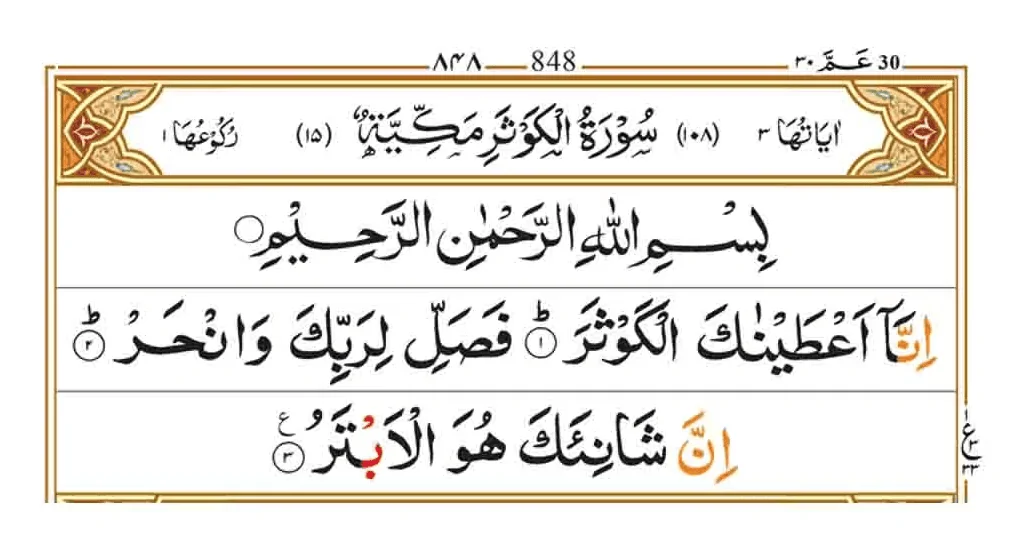
The Quran is made up of 114 surahs (chapters), each varying in length. The longest surah is Al-Baqara, while the shortest is Al-Kawthar. The surahs contain guidance, stories, laws, and themes central to Islamic teachings.
- Verses (Ayat)
The total number of verses (Ayat) in the Quran is commonly cited as 6,236. This figure is widely accepted, particularly in the Kufa tradition, though some scholars suggest variations such as 6,238, 6,616, or 6,666. The differences mainly arise from whether or not the phrase “Bismillah” (In the name of Allah) is counted as a separate verse at the beginning of certain surahs. The figure of 6,236 excludes “Bismillah” from surahs where it is not counted as a verse.
- Juz’ (Sections)
The Quran is divided into 30 equal parts known as Juz’. Each Juz’ allows for a systematic approach to recitation, making it easier for Muslims to complete the Quran in one month, especially during Ramadan. These sections help in distributing the Quran’s recitation over time, and each Juz’ typically spans 20 pages in the standard Arabic text. The divisions are almost even, but the last Juz may be slightly longer due to the shorter verses in its chapters.
How many pages are there in Quran
So, how many pages of quran? The page count of the Quran can vary depending on several factors such as the script, font size, and physical dimensions of the book. Here’s a detailed look at how these factors influence the total number of pages:
- How Many Pages Quran in Standard Arabic Text
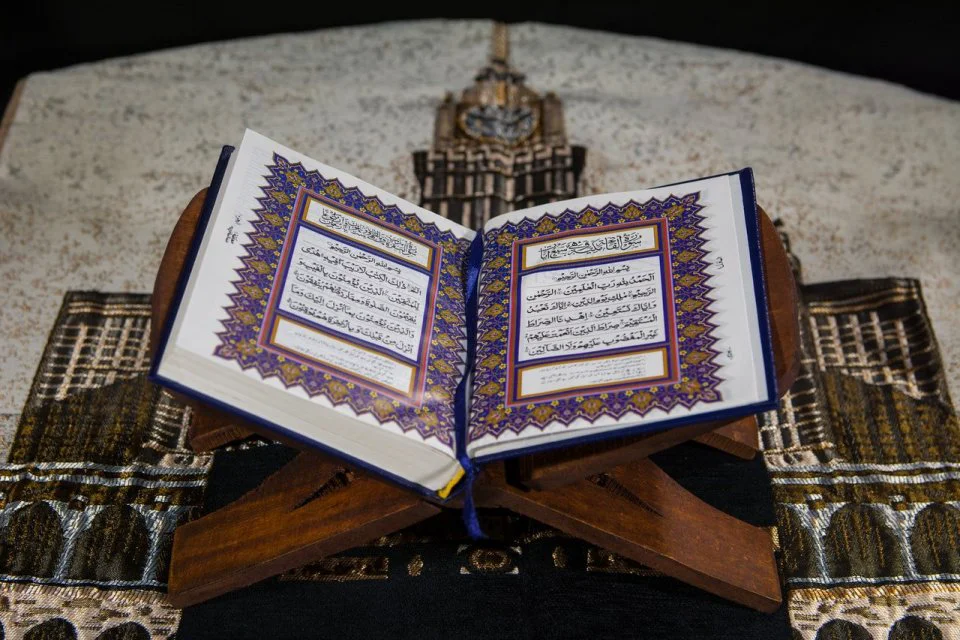
In its most widely used format, the Quran spans 604 pages in the Madani Mushaf. This page count is consistent across many editions, ensuring uniformity in recitation and memorization. The standard Arabic text is typically used for printed copies, making it the reference version in most Islamic communities.
- Translated Versions (English and Other Languages)
Translated versions of the Quran, particularly in English, can have a significantly different page count. This variation arises from differences in language structure, translation style, and the inclusion of additional content, such as introductions and commentaries.
For example, the page count in translated versions can vary widely:
How many pages are there in Quran?
- Some editions may have as few as 116 pages.
- Others might extend to around 300 pages.
- More comprehensive translations with detailed commentary and explanation can span around 502 pages.
- Some versions with additional notes and explanations may go up to 576 pages.
The significance of the Quran’s current structure
- Ease of Recitation and Memorization: The division into 30 Juz’ allows for systematic recitation and makes memorization manageable, especially during Ramadan.
- Facilitation of Reflection: The thematic divisions (ruku) help readers reflect on individual sections for deeper understanding and application.
- Consistency Across Editions: The standard structure, particularly the 604-page format, ensures uniformity in recitation and study worldwide.
- Clarity in Worship: Dividing the Quran into sections like Juz’ and Hizb makes it easier to incorporate recitation into daily prayers.
- Thematic Organization: The structure of Surahs and Ayahs organizes the Quran’s content by themes, making it easier to understand and apply Islamic teachings.
- Uniformity in Teaching and Learning: The Quran’s clear divisions make it a standard text for teaching and memorization across generations.
Why Quranic recitations vary across regions
The differences found in the printed copies of the Quran are primarily due to the various recitations (qira’at) and their differences. In Morocco (North Africa), the dominant recitation is that of Imam Nafi’ with the two narrations of Warsh and Qalun. Most of the Qurans printed and circulated in that region follow one of these two narrations, with Warsh being the most common.
The differences between the two narrations are minor and mainly involve aspects like hamzah (glottal stop), elongation (madd), assimilation (idgham), and the use of sakin (vowel-less) and mutaharrik (vowelled) sounds.
In the Mashriq (the Eastern Arab world), the recitation of Hafs on the authority of Asim is predominant, and most of the printed Qurans there follow this narration.
Thus, the differences you notice in the Quranic prints are due to the variations in recitations. Each Quran you encounter is printed according to a specific narration, reflecting regional differences in how the Quran has been transmitted and recited.
Best ways to learn Quran at home
- Start with a beginner-friendly course that introduces the basics of the Quran. You can join E-hoopoe’s Quran Course From Zero to build a strong foundation in recitation, pronunciation, and understanding.
- Establish a consistent time each day for reading, memorizing, and reflecting on the Quran, helping to build a habit and ensure steady progress.
- Begin memorizing and reciting shorter surahs that are easier to learn and frequently recited in daily prayers, such as Al-Fatiha and Al-Ikhlas.
- Regularly listen to well-known Qaris (reciters) to improve your pronunciation and familiarize yourself with correct intonation and rhythm.
- Engage in online groups or forums with fellow learners to share tips, progress, and motivational support as you continue your Quranic studies.
- Don’t just memorize, but also aim to understand the meanings of the verses. This deepens your connection and enhances the impact of the Quran in your life.
E-hoopoe: empowering Quran learning through digital innovation
E-hoopoe is an innovative platform dedicated to teaching the Quran, Islam, and Arabic to a diverse range of users from various backgrounds. By combining modern technology with traditional teachings, E-hoopoe provides a dynamic learning experience that caters to both beginners and advanced learners. The platform offers interactive courses, personalized learning paths, and engaging resources to help users connect with the Quran and its teachings. Whether you are looking to memorize, understand, or deepen your knowledge of Islam, Quran and the Arabic language, E-hoopoe creates an accessible and effective learning environment. It empowers individuals worldwide to embark on their Quranic journey at their own pace, making the sacred text more comprehensible and relevant in today’s digital age.
Memorize Quran correctly with E-hoopoe
E-hoopoe offers a comprehensive Full Quran Memorization Course that guides learners through every step of memorizing the Quran with accuracy and confidence. By signing up for a free trial, you can explore the platform’s features before any commitment. The course includes personalized memorization schedules, expert guidance, and helpful tools designed to support learners at any level. With daily progress tracking, reminders, and dedicated support, you can steadily memorize the Quran while ensuring proper Tajweed and pronunciation.
Conclusion
In conclusion, the question of “how many pages of Quran” can have varying answers depending on the edition, language, and format used. However, despite these variations, the Quran’s organization remains a powerful tool for reflection, understanding, and worship, making its teachings accessible to millions across the globe.
What truly matters is the strength and wisdom of this book. The number of pages is secondary to the profound guidance it offers. E-hoopoe provides a unique and effective way to study this powerful guide, helping you connect deeply with the Quran.
Book your free trial now and experience E-hoopoe’s structured approach to Quran memorization.