
As the blessed month of Ramadan approaches, it presents a unique opportunity for reflection, growth, and spiritual renewal. Ramadan, the month of the Quran, is a time for deep connection, self-discipline, and prayer. Every year, we have the privilege to engage in this sacred time, and the first step towards truly benefiting from it is knowing how to prepare for Ramadan. By properly preparing ourselves spiritually, mentally, and physically, we can fully embrace the blessings of this month and use it to draw closer to our faith.
In this blog, we’ll explore how to make the most of this beautiful time, ensuring that you can experience the fullness of Ramadan’s spiritual rewards.
When is Ramadan 2025?
In 2025, Ramadan is expected to begin on the evening of Sunday, 28 February, and end on 30 March. However, these dates may vary slightly based on the sighting of the moon, which determines the start and end of the Islamic month. The Islamic calendar follows the lunar cycle, meaning that Ramadan shifts by approximately 10 days earlier each year on the Gregorian calendar.
The beginning of Ramadan is marked by the sighting of the ninth new moon, and it concludes with the sighting of the tenth new moon. This lunar-based system means that the exact dates of Ramadan are not fixed in the Gregorian calendar and can vary depending on geographic location and local moon sightings. Therefore, while the start and end of Ramadan are generally predictable, the precise timing can vary slightly from one region to another.
What is Ramadan fasting
Ramadan fasting, known as Sawm, is a central religious observance for Muslims, marking the ninth month of the Islamic lunar calendar. This sacred month is a time of deep reflection, spiritual growth, and devotion to Allah (SWT). It commemorates the first revelation of the Qur’an to Prophet Muhammad (PBUH) and holds immense significance in the Islamic faith.
Fasting during Ramadan is one of the five pillars of Islam, which are the core practices that guide a Muslim’s faith and actions. The fast is seen as a way to purify the soul, build empathy for those in need, and foster a closer relationship with Allah.
Meals of Ramadan
- Suhoor: A pre-dawn meal designed to provide nourishment and energy for the long day of fasting ahead. Suhoor typically includes high-protein and hydrating foods ensuring the body remains fueled throughout the day.
- Iftar: As the sun sets, the fast is broken with iftar. often starting with dates and water in accordance with the tradition of the Prophet Muhammad (PBUH). Iftar is typically a family gathering, where a variety of foods are enjoyed, ranging from light appetizers like soup and salad to hearty dishes such as rice, meats, and bread.
These meals, while fulfilling physical hunger, also serve as moments of spiritual reflection, gratitude, and togetherness, allowing Muslims to appreciate their blessings and strengthen their connection to faith and community during the holy month of Ramadan.
What is not allowed during Ramadan?
During Ramadan, Muslims are required to refrain from certain activities during the daylight hours as part of the fasting process. The most well-known prohibitions include:
- Eating and Drinking: From dawn (Fajr) until sunset (Maghrib), fasting Muslims must abstain from consuming any food or drink.
- Sexual Relations: Engaging in sexual activity during daylight hours is also prohibited while fasting. However, this restriction is lifted once the fast is broken at sunset.
- Smoking: Smoking is prohibited during the daylight hours of Ramadan. It breaks the fast, just like eating or drinking.
- Arguing or Fighting: During Ramadan, Muslims are encouraged to remain calm, patient, and peaceful. Engaging in arguments or heated debates is discouraged, as it can negatively impact the tranquility and focus needed for fasting.
- Intentionally Inducing Vomiting: If someone intentionally causes themselves to vomit, it breaks their fast. However, if vomiting occurs involuntarily, the fast is not broken.
Who is exempt from fasting during Ramadan?
While fasting is an essential practice during Ramadan, Islam recognizes that certain individuals may face challenges that prevent them from fasting.
The following groups are exempt from the physical act of fasting during Ramadan:
- Children: Children who have not reached the age of puberty are not required to fast.
- Elderly People: Older adults who are physically weak or frail and cannot bear the hardship of fasting are excused.
- Those in Poor Health or on Medication: Individuals with serious health conditions or those on medication that could be affected by fasting are exempt.
- Pregnant and Breastfeeding Women: Women who are pregnant or breastfeeding and may risk their health or their child’s health by fasting can skip fasting.
- Women Who Are Menstruating: Women on their menstrual cycle are not required to fast, and they must make up for missed fasts later.
- Travelers: Those traveling long distances can pause their fast, provided the journey may cause difficulty.
In all these cases, individuals who are unable to fast due to valid reasons are required to either make up the missed fasts once they are able or offer fidya if they are permanently unable to fast.
Spiritual benefits of Ramadan fasting
One of the most significant spiritual benefits is the development of Taqwa, or mindfulness of Allah. By abstaining from food, drink, and other worldly desires, Muslims cultivate self-discipline and enhance their awareness of Allah’s presence in their lives. This mindfulness encourages them to act in ways that are pleasing to Allah, strengthening their faith and connection with the Creator.
Additionally, fasting serves as a means to earn immense rewards in the afterlife. It is believed that one of the eight gates to Paradise, Ar-Rayyan, is specifically reserved for those who fast sincerely for the sake of Allah (SWT). This offers a profound motivation for Muslims to engage in fasting with the intention of seeking Allah’s mercy and blessings.
Ultimately, Ramadan fasting is not just about physical abstention but about purifying the soul, seeking spiritual growth, and drawing closer to Allah through worship, reflection, and acts of kindness.
Health benefits of Ramadan fasting
Some of the key health benefits include:
- Digestive System Rest: Fasting gives the digestive system a chance to rest, reducing the strain on the stomach and intestines and allowing the body to focus on other processes, such as detoxification.
- Detoxification: The fasting period helps flush toxins from the body, promoting a cleaner system and improved overall health.
- Improved Blood Sugar Control: Fasting can enhance insulin sensitivity and help lower blood sugar levels, which may benefit individuals with type 2 diabetes or those at risk.
- Mental and Cognitive Benefits: Research suggests that fasting can improve mental clarity, boost mood, and enhance mental alertness. It may also protect against neurodegenerative diseases by promoting nerve cell growth and reducing inflammation.
- Weight Management: Ramadan fasting can help in weight management by promoting a balanced diet, limiting excessive calorie intake, and encouraging healthier eating habits.
How to prepare for Ramadan
1- Fast in Sha’ban
- Follow the example of the Prophet Muhammad (PBUH) by fasting during the month of Sha’ban, as it is a month when deeds are lifted to Allah. This prepares the body and soul for the fasting ahead.
- Fasting on Mondays, Thursdays, and the white days (13th, 14th, and 15th of the month) brings extra rewards.
2- Recite the Qur’an Regularly with Meaning:
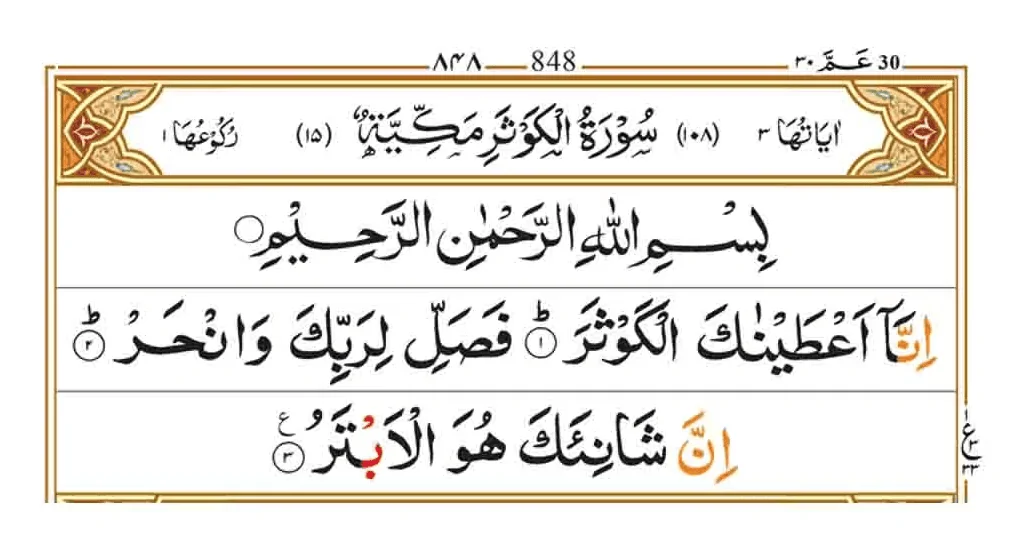
- Start reciting and reflecting on the Qur’an to deepen your connection with it. The Qur’an was revealed during Ramadan, making this the perfect time to engage with it more meaningfully.
- Reflecting on its teachings will bring you closer to Allah (SWT) and help you understand Islam more profoundly.
- You can also join a full Quran memorization course to help you memorize and internalize its verses, strengthening your connection with Allah (SWT).
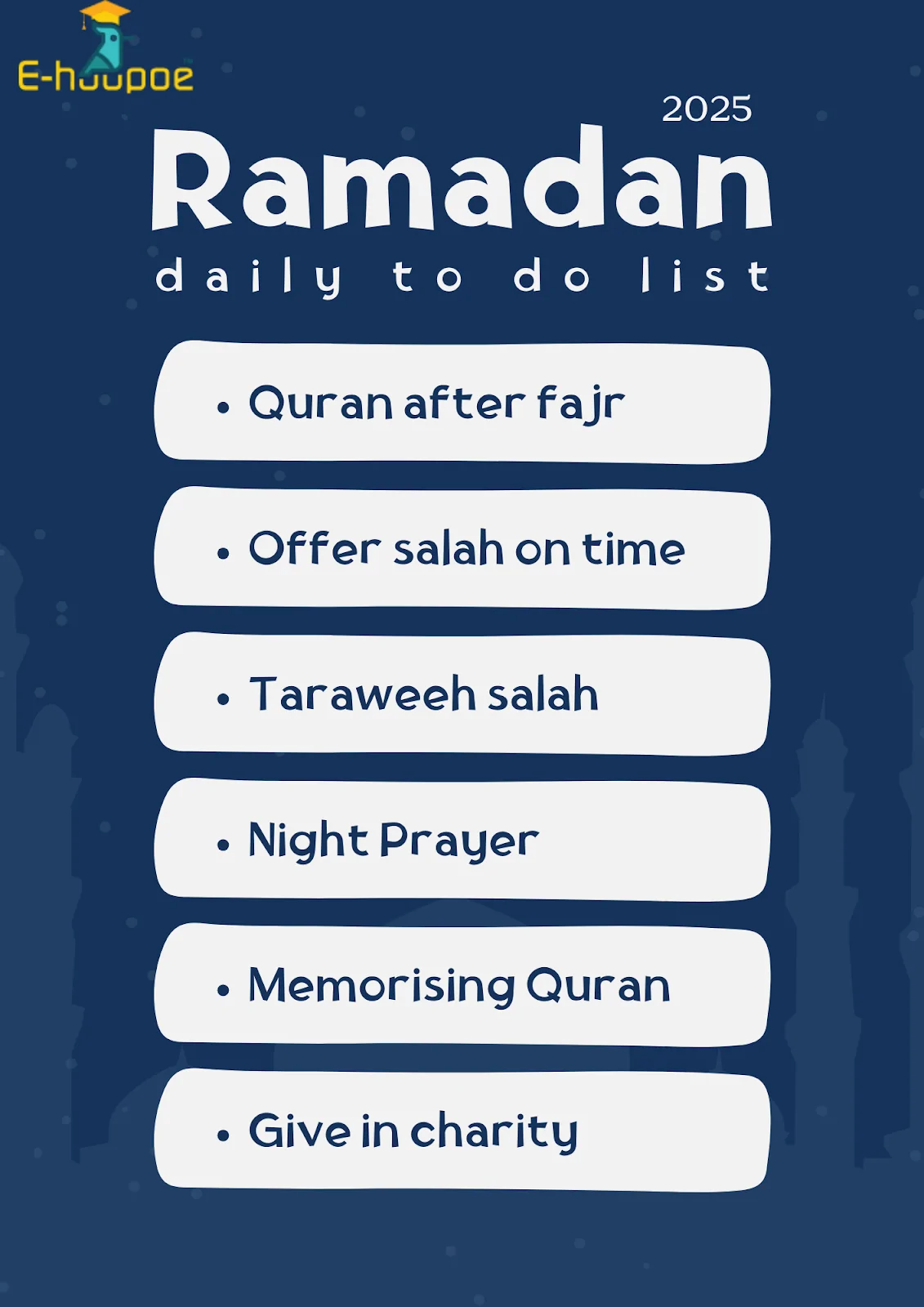
3- Make a Checklist
- Write down your Ramadan goals.
- Display your checklist somewhere visible to keep yourself focused and motivated throughout the month.
4- Follow the Sunnah and Pray Extra Dua:
- Incorporate additional Sunnah prayers and engage in extra supplication (dua) to prepare your heart and mind for Ramadan.
- Seek Allah’s help in making this Ramadan spiritually enriching and rewarding.
How to spend the day in Ramadan
During Ramadan, the daily routine revolves around fasting, prayer, and spiritual reflection.
So, how to spend your day in ramadan?
- Recite the Qur’an: Devote time each day to reading and reflecting on the Qur’an. Ramadan is the month in which the Qur’an was revealed, making it the ideal time for deep spiritual engagement with Allah’s words. E-hoopoe offers one of the best online quran classes that allows you to enhance your understanding and improve your recitation
- Engage in Additional Prayers: Alongside the obligatory five daily prayers, take time for extra voluntary prayers (Sunnah), such as the Tahajjud (night prayer) or Taraweeh prayers in the evening. These help you strengthen your connection with Allah (SWT).
- Give Zakat: Charity (Zakat) is one of the Five Pillars of Islam and is especially emphasized during Ramadan. Giving to those in need purifies wealth and helps those less fortunate. It’s a way to earn great rewards and strengthen the sense of community during the holy month.
- Make Dua (Supplication): During Ramadan, take extra time to make heartfelt supplications (dua). It’s important to remember that the Prophet Muhammad (PBUH) said: “For the fasting person, there is a supplication that is not rejected.” (Tirmidhi). This makes Ramadan an especially powerful time for personal prayers.
- Strengthen Community Bonds: Ramadan is a time to come together with family, friends, and the broader community. Attend prayers at the mosque, break your fast with loved ones, and share the joy of the month. Building strong relationships strengthens your faith and fosters unity within the Muslim community.
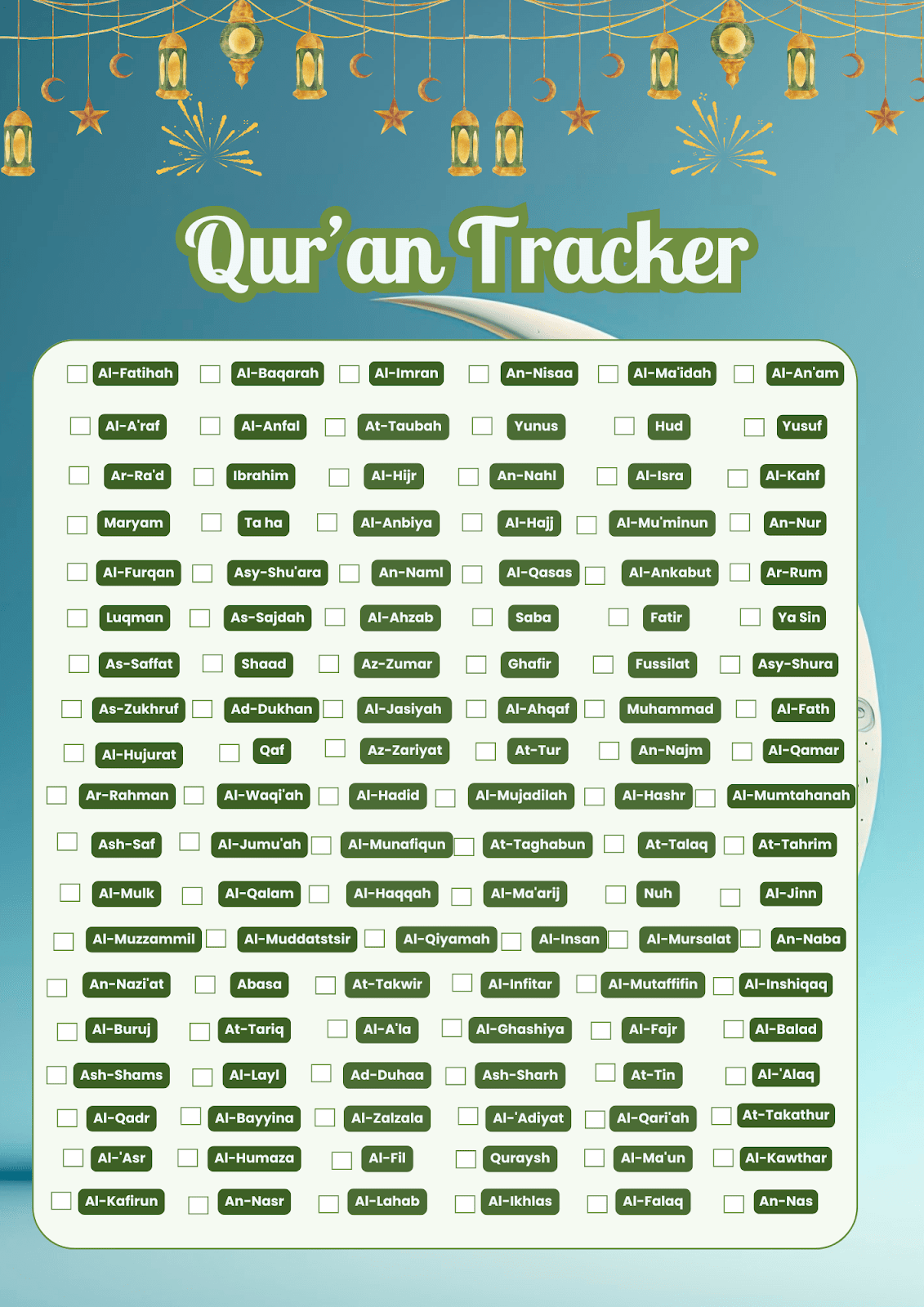
How to read Quran in Ramadan: 30-day schedule
- Morning (After Fajr): Read 5 pages after the Fajr prayer.
- Before Dhuhr: Read 2 pages before the Dhuhr prayer.
- After Dhuhr: Read 2 pages after the Dhuhr prayer.
- Before Asr: Read 2 pages before the Asr prayer.
- After Asr: Read 2 pages after the Asr prayer.
- Before Maghrib (Iftar):Read 2 pages before breaking your fast.
- After Iftar (After Maghrib prayer): Read 5 pages after the Maghrib prayer.
- Evening (Before Bed): Read 5 pages before going to sleep.
This structure makes it easy to break your reading into small, manageable portions throughout the day. By following this, you’ll complete the entire Qur’an by the end of Ramadan!
Learn about Quran with E-hoopoe
E-hoopoe is a leading online platform that provides personalized Quran, Arabic, and Islamic Studies courses for learners of all ages and backgrounds. With a team of experienced and dedicated instructors, E-hoopoe offers a structured, comprehensive curriculum that includes everything from Tajweed and Tafsir to Quran Memorization. Their interactive online classes make it easy for students to communicate with teachers, ensuring an engaging and effective learning experience.
E-hoopoe also offers a wide range of best online islamic courses including:
- Online Quran recitation course
- Quran course from zero
- Islamic ethics course
- Online Quran classes for kids
- Online tajweed course
E-hoopoe’s online platform ensures seamless learning through live classes, flexible schedules, and personalized attention from qualified instructors.
Conclusion
In conclusion, preparing for Ramadan is more than just a physical or logistical task—it’s a spiritual journey. By understanding “How to Prepare for Ramadan,” we equip ourselves to make the most of this sacred month.
As Ramadan is the month of the Quran, it’s a time to immerse ourselves in its divine guidance and deepen our connection with Allah. E-hoopoe offers a valuable opportunity to enhance our understanding and practice of Islam during Ramadan through its online courses and resources. By utilizing these tools, alongside reflection, prayer, and self-discipline, we can purify our hearts and minds.
Sign up with E-hooope to deepen your understanding and make the most of this sacred month!
Frequently asked questions
- How many hours is fasting in Ramadan?
The length of fasting during Ramadan varies by location and time of year, but it typically ranges from 12 to 18 hours per day.
- What are the 4 things to avoid in Ramadan?
- Eating or drinking during daylight hours.
- Engaging in sinful behavior such as lying, gossiping, or arguing.
- Intimacy during daylight hours.
- Smoking during fasting hours
- Is kissing allowed during fasting?
Kissing is allowed during fasting as long as it does not lead to sexual desire or actions that would break the fast. If it does, it’s better to avoid it to ensure the fast remains valid.
- How do I prepare for Ramadan?
Start by enhancing your worship, setting spiritual goals, adjusting your eating habits, and focusing on self-discipline.