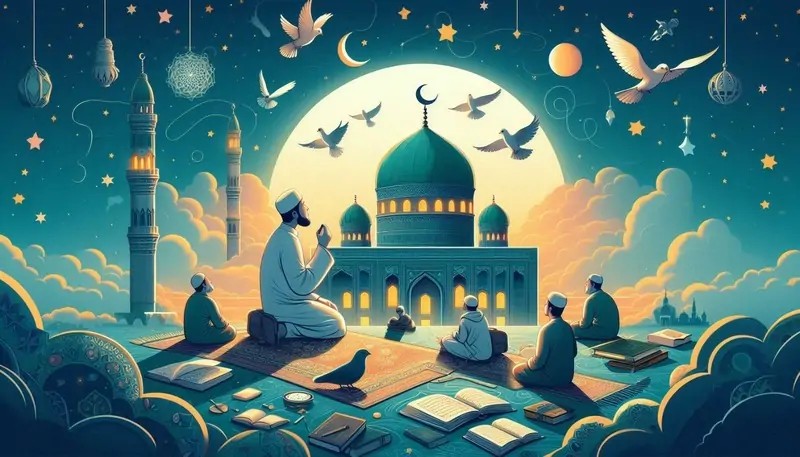
In many cases, even Muslims who were born into the faith may find themselves unsure when asked why they believe certain aspects of Islam. While they may know the basics and be familiar with the recitation of the Quran during significant life events, they might struggle to explain deeper questions. Often, the response is simply, “I was raised Muslim.” This reflects the reality that some Muslims may not have fully explored or understood the depth of their own beliefs. This is why knowing how to start learning Islam is important not only for non-Muslims seeking to understand the faith, but also for Muslims themselves.
Going deeper into the teachings of Islam helps strengthen a person’s connection to their faith, allowing them to understand and appreciate its main ideas more deeply.
How to Start Learning About Islam
Starting your journey to learn about Islam can be one of the most profound and enlightening experiences you will ever have. As one of the world’s major religions, Islam offers a wealth of spiritual, ethical, and historical insights. Whether you are looking to understand the faith for personal growth, academic purposes, or out of curiosity, there are many ways in which you can embark on this journey.
Islam is based on a deep connection to the divine and a commitment to living a life of peace, justice, and compassion. However, to truly appreciate its depth, it is important to begin with the foundational texts, the lives of key figures, and the context that shaped the faith.
Study Quran and Hadith
The Quran and Hadith are the main pillars of knowledge for anyone seeking to study about Islam. From these sources, you get the base to guide you through core beliefs, values, and practices in this faith.
The Quran: The Ultimate Source of Guidance
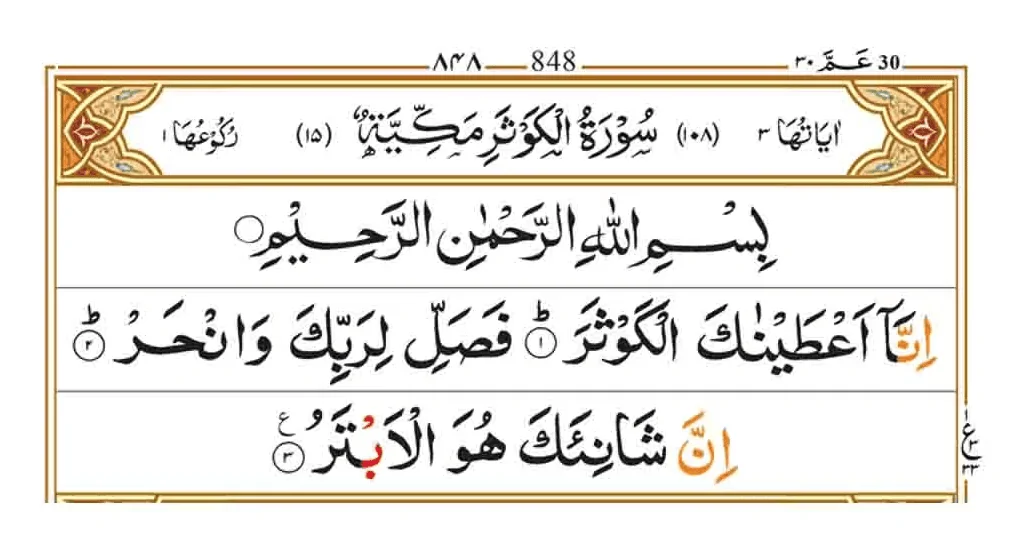
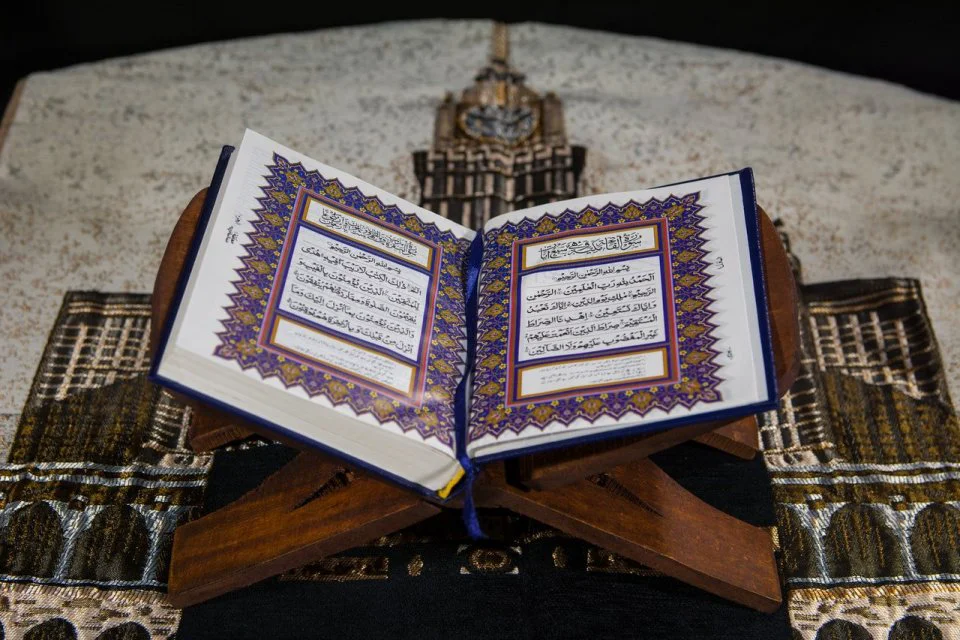
The Quran is the direct word of Allah for Muslims, given to Prophet Muhammad (PBUH). It is the main guide for all parts of life. This makes it a very important source for anyone who wants to truly understand Islam.
The Quran provides clear and wise guidance. It covers everything, from how to worship to dealing with complex social problems. It is also seen as timeless, offering answers to modern issues while sharing universal truths. Its teachings have remained unchanged and exactly as they were revealed over 1,400 years ago.
For those beginning their journey in Islam, reading and understanding the Quran helps you connect with its timeless messages and find guidance for everyday life.
The Hadith: The Teachings of Prophet Muhammad (PBUH)
Besides the Quran, the Hadith is very important for understanding how to use the teachings of the Quran in everyday life. The Quran gives us the main ideas, while the Hadith shows how the Prophet put these ideas into action in different situations. The Hadith is key for learning about the manners, worship, and good deeds that Islam promotes.
The Quran and Hadith together are the foundation of Islamic knowledge. Whether you’re just starting to learn about Islam or want to know more, these texts will give you the spiritual and practical guidance you need to live your life following Islamic teachings.
Learn About the Prophet’s Life
To truly understand the Quran, it’s essential to learn about the life of Prophet Muhammad (PBUH), as every verse was revealed to him, and the context of his life helps clarify the meaning behind the revelations. Understanding the challenges he faced and the historical events surrounding his life prevents misinterpretations that can occur when verses are taken out of context. Studying the Sira (biography) of the Prophet offers valuable insights into his character, mission, and the development of Islam, providing practical examples of how to live by the Quran’s teachings. To gain an accurate understanding, it’s important to seek out credible and well-reviewed sources when learning about his life.
Understand Islamic Ethics and Values
Learning about Islamic ethics and values is important for anyone who wants to follow the teachings of Islam. The main ideas of Islam focus on good behavior, fairness, kindness, and treating others with respect. These values help Muslims in their personal lives and in how they interact with society. They affect everything, from how you treat your family and friends to your duties in the community. To gain a deeper understanding of these principles, enrolling in an Islam ethics course can be incredibly beneficial. This kind of course gives a clear way to learn about important Islamic values and shows how to use them in daily life. It also provides examples of how to live by these values in different situations.
Engage with Scholars and Teachers
The journey to understanding Islam is a deeply enriching experience, and connecting with Islamic scholars plays a crucial role in that process. These scholars serve as guides through the intricate landscape of Islamic thought and practice, drawing on their extensive knowledge to demonstrate how age-old wisdom can address contemporary challenges. Their teachings go beyond simply imparting information about the religion; they help you uncover the essence of the faith. Scholars act as mentors, providing insights that extend beyond basic facts, allowing you to delve into the spiritual, ethical, and philosophical aspects of Islam. They equip you with the ability to think critically, reflect meaningfully, and integrate Islamic teachings into your personal life. Whether you’re seeking to understand the Quran in its entirety or striving to live a life aligned with Islamic values, scholars are there to help you bring these teachings to life in a way that is personally meaningful.
Expand Your Learning with Islamic History and Culture
To better understand Islam, it’s helpful to learn about its history and cultural traditions. Islamic history is full of important events, influential people, and movements that changed not only the Muslim world but also the world as a whole. From the life of Prophet Muhammad (PBUH) to how Islam spread across different regions, the rise of Islamic empires, and the work of scholars in many areas, Islamic history helps explain how the faith has developed over time. It also gives context to modern issues. Exploring Islamic culture also shows the beauty of its art, architecture, literature, and ideas, which have come from Muslim societies over many centuries. By studying Islamic culture, you can gain a deeper and more complete understanding of the faith.
Start Learning About Islam with E-hoopoe
One of the best ways to start your journey and learn how to study Islam is by joining quality online courses, and E-hoopoe offers some of the best online Islamic courses available. E-hoopoe provides a range of courses with a comprehensive curriculum that covers different aspects of Islam, such as the Quran, Hadith, Islamic ethics, history, and more. These courses are designed for learners of all levels, from beginners to advanced students, and offer in-depth knowledge in an accessible and engaging format. You can study Islam at your own pace through E-hoopoe, with expert instructors guiding you through the complexities of the faith and helping you build a strong foundation.
Conclusion: Islam is a Religion of Faith and Practice
In your journey of learning about Islam, it becomes clear that the religion is much more than its rituals. While practices such as prayer, fasting, and reciting the Quran provide structure and discipline, they are only meaningful when connected to genuine faith. Islam is where belief and action converge, one cannot exist fully without the other. Faith is deeply rooted in the heart, and it is the essence of the soul, while practices serve as the means to strengthen that connection with Allah. Simply believing in God without following His guidance or performing acts of worship without a personal connection to Him leaves one incomplete.
Once you understand how to start learning Islam by engaging directly with the foundational texts and figures of the faith, such as the Quran, which offers the wisdom of Allah, and the life of Prophet Muhammad (PBUH), which serves as the perfect example of how to live in accordance with His teachings, it is no longer a struggle.
To embark on this enlightening journey, it’s essential to find reliable and structured resources. E-hoopoe offers the best online Islamic courses, designed to guide both beginners and those looking to deepen their knowledge of Islam.
Start today, and take the first step toward discovering the true essence of Islam. Book your free trial now!
Frequently Asked Question
What are the main misconceptions about islam?
- Islam promotes violence
- Islam oppresses women
- Muslims don’t believe in Jesus
- The Quran promotes intolerance
Is Islam a difficult religion to understand?
Islam, like any religion, might seem complicated at first because of its long history, diverse practices, and deep spiritual lessons. But if you start with the simple ideas, it gets easier to understand. With the right help and tools, anyone can learn about Islam and its main beliefs.