
Studying Islam at home can be a rewarding journey. It offers flexibility and personalization that traditional classes may not provide.
But where do you start? How do you ensure you’re learning accurately and effectively?
This guide is here to help. It’s designed to provide practical tips and resources for studying Islam at home.
Whether you’re a beginner or looking to deepen your understanding, this guide has something for you. It covers everything from setting up a study space to selecting the right resources.
So, let’s embark on this journey together. Discover how to study Islam at home with these expert tips.
Benefits of Studying Islam at Home
– Flexible and Convenient: Tailor study schedules to fit your lifestyle, accommodating work and family commitments.
– Personalized Learning Environment: Create a distraction-free space for better focus and understanding.
– Self-Paced Learning: Explore topics of interest deeply, revisit challenging concepts, and reflect on new knowledge.
– Spiritual Growth: Apply teachings in daily life to strengthen faith and make learning a lived experience.
– Family Bonding: Share the learning journey with family members, fostering stronger relationships and a sense of community at home.
Integrating Islamic Knowledge into Daily Life
Studying Islam from home offers the freedom to learn at your own pace, making it perfect for those with busy schedules.
- Start by setting clear goals to stay focused and motivated on your journey.
- Begin with the basics, such as understanding the core beliefs and practices, to build a strong foundation for deeper learning.
- Take advantage of digital tools like online courses, apps, books, and websites to make your studies convenient and insightful.
- Finally, apply what you learn in your daily life to grow spiritually and strengthen your connection to Islam.
With the right approach, learning Islam at home can be a deeply enriching experience.
Creating a Study Environment
A key part of learning how to study Islam at home effectively is creating the right environment
– Choose a Tranquil Space: Select a quiet, dedicated area free from distractions and clutter for focused learning.
– Prioritize Comfort: Use a supportive chair and a well-lit desk to avoid strain during long study sessions. Natural light is ideal for boosting mood and concentration.
– Incorporate Inspiring Decor: Add Islamic art or calligraphy to create a spiritually uplifting atmosphere.
– Keep Resources Handy: Place your Quran, notebooks, and reference materials within easy reach to avoid interruptions.
– Stay Organized: Use shelves or storage units to organize study materials, promoting a structured and efficient routine.
Selecting the Right Resources for Islamic Learning
Books and Literature
- Start with the Quran: Begin with English translations of the Quran, like those by Yusuf Ali or Saheeh International, for a clear understanding of its message.
- Study Tafsir: Enhance your Quranic study with commentaries like Ibn Kathir’s Tafsir to better understand complex themes.
- Explore Hadith Collections: Learn from reliable Hadiths in Sahih al-Bukhari and Sahih Muslim to understand the Prophet’s (PBUH) teachings.
- Broaden Your Knowledge: Read books on Islamic history and culture, such as “In the Footsteps of the Prophet” by Tariq Ramadan, for a wider view of Islamic civilization.
Online Courses and Websites
- Access Structured Courses: Platforms like AlMaghrib Institute and SeekersGuidance offer credible, scholar-led courses covering topics from fiqh to Islamic history.
- Use Quranic Study Websites: Websites like Quran.com provide easy access to translations and Tafsir, making Quranic study simple for beginners.
- Engage with YouTube Content: Channels like Bayyinah TV and Yaqeen Institute offer valuable lectures and discussions on contemporary Islamic thought.
- Learn on the Go: Podcasts and webinars allow you to continue learning anytime, whether commuting or exercising, promoting continuous education.
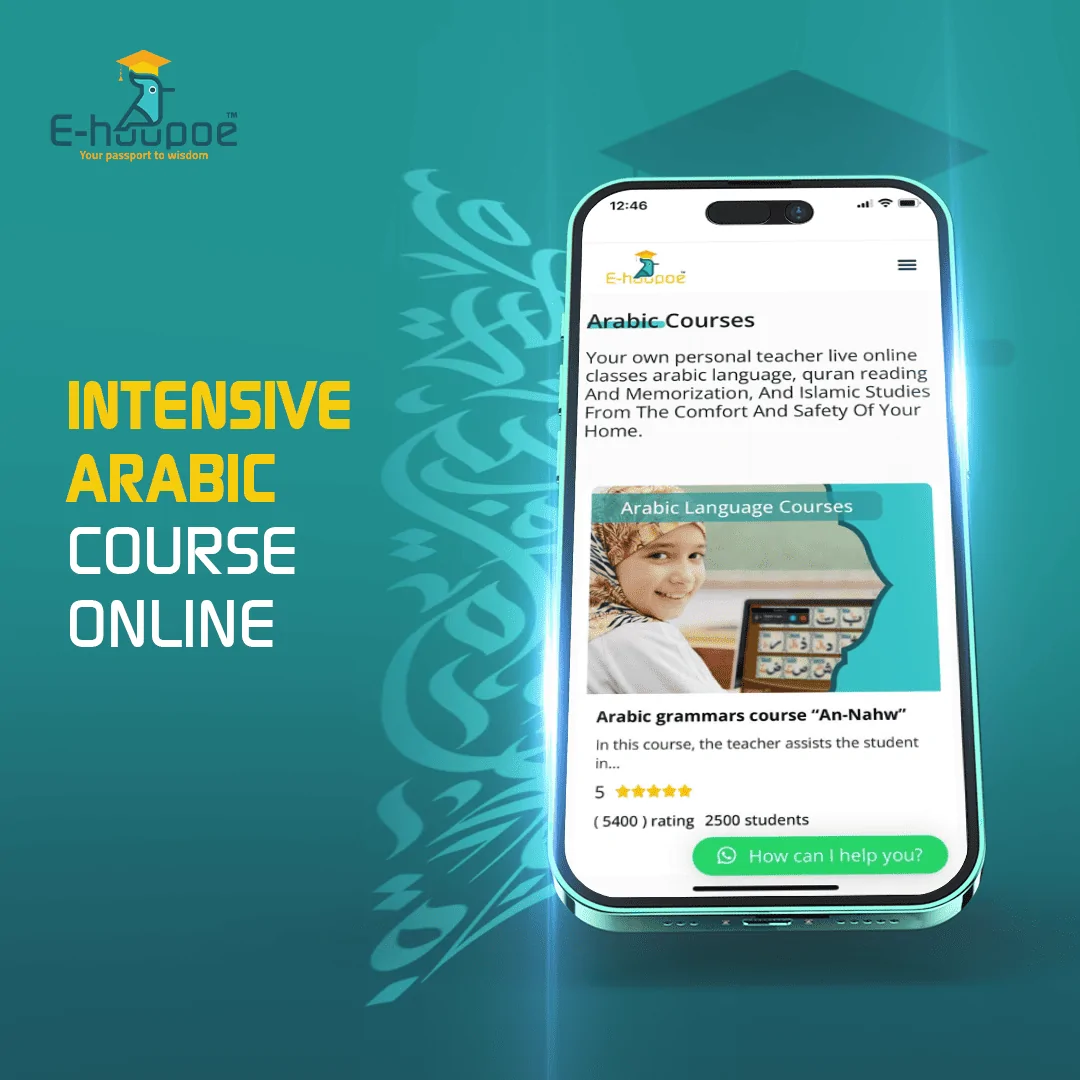
E-hoopoe provides one of the best online Islamic courses, offering a comprehensive range of learning materials and interactive sessions designed to help students understand and apply Islamic principles in their daily lives.
Structuring Your Study Sessions
Learning how to study Islam at home also involves organizing your study time effectively. By setting a consistent schedule, creating time blocks for different subjects, and incorporating breaks, you will optimize your learning process and retention.”
Setting a Schedule
- Choose the Right Time: Identify the best times in your day for focused learning, such as early mornings or late evenings when distractions are minimal.
- Create Time Blocks: Allocate specific time slots for different subjects, like mornings for Quran reading and evenings for studying Hadith or history.
- Include Breaks: Schedule regular breaks for reflection and to avoid burnout, helping with retention and making study sessions more productive.
Creating a Study Timetable
- List and Organize Topics: Write down all the subjects you want to study and assign them to specific days to stay organized and motivated.
- Prioritize Subjects: Focus more on important topics, like Quranic Arabic, while maintaining balance and flexibility for unexpected changes.
- Use Tools for Planning: Utilize planners or digital calendars to create and manage your timetable, adjusting it regularly to stay on track.
Incorporating Language Learning
Basics of Arabic
– Start with the Fundamentals: Begin by learning the Arabic script and pronunciation, which is essential for understanding the Quran.
– Practice Simple Phrases: Focus on common phrases and sentences to build a strong foundation in the language.
– Use Beginner’s Resources: Explore children’s books or beginner’s guides to learn basic grammar and vocabulary.
– Incorporate Listening Exercises: Listen to native speakers to improve pronunciation and intonation, building confidence with regular practice.
Use of Language Apps
– Learn Anytime, Anywhere: Language apps allow you to study Arabic on your own schedule, offering convenience and flexibility.
– Interactive Lessons: Choose apps designed for Arabic learners, with quizzes, flashcards, and practice exercises to enhance retention.
– Improve Pronunciation: Use speech recognition tools to get instant feedback and refine your pronunciation.
– Track Your Progress: Many apps display your achievements, keeping you motivated and showing how much you’ve improved.
– Combine with Other Resources: Supplement your app-based learning with additional materials for a well-rounded language learning experience.
Daily Practice: Applying What You Learn in Everyday Life
Regular Prayer and Meditation
– Incorporate Prayer into Your Routine: Salah is a key pillar of Islam, reinforcing your learning and fostering spiritual discipline.
– Use Meditation for Reflection: Meditation provides quiet time to reflect on what you’ve studied, deepening your connection to Quranic verses and Hadith.
– Set Time for Meditation: Make meditation a regular practice after prayer to achieve a peaceful state and integrate your knowledge into daily life.
– Balance Learning and Spiritual Growth: This practice helps create harmony between your studies and spiritual development, guiding you towards a deeper understanding of your faith.
Community Involvement
– Engage with Local Communities: Connect with your mosque or Islamic center to immerse yourself in a supportive learning environment.
– Volunteer for Events: Participate in charity drives, workshops, or cultural festivals to see Islamic teachings in action and practice social justice.
– Join Study Groups: Engage in study circles or discussion groups to share insights and deepen your understanding through collective learning.
– Create a Sense of Belonging: Community involvement strengthens your faith and makes the learning journey more meaningful and impactful.
An Islam ethics course can further guide you in how to implement Islamic values into everyday situations, helping you make ethical decisions in line with your faith.
Seeking Guidance from Experts with E-hoopoe
E-hoopoe provides an exceptional platform for those seeking expert guidance in their Islamic studies. With a focus on accessible, high-quality education, E-hoopoe connects learners to knowledgeable scholars who specialize in various areas of Islamic knowledge, including Quranic interpretation, Hadith, Fiqh, and more.
The platform offers a range of online courses, live sessions, and interactive materials designed to help students deepen their understanding of Islam in a structured and engaging way. Whether you’re a beginner or advanced learner, E-hoopoe’s expert-led approach allows you to learn from trusted authorities, ensuring that you gain accurate, comprehensive knowledge that aligns with authentic Islamic teachings.
Learning from E-hoopoe’s Expert Scholars
One of the most valuable aspects of E-hoopoe is the opportunity to learn from qualified scholars who specialize in Islamic studies. Through E-hoopoe’s structured courses and interactive sessions, you gain direct access to scholars with years of expertise.
E-hoopoe’s scholars provide detailed explanations of Islamic principles, guiding you through the complexities of the Quran, Hadith, Fiqh, and more. You can ask questions during live sessions, ensuring that you receive personalized advice and clarification on topics you may find challenging.
The personalized approach ensures you can progress in your Islamic studies at your own pace while receiving the guidance you need to grow spiritually and intellectually.
Conclusion
Learning how to study Islam at home is both rewarding and fulfilling. This personal journey requires dedication and careful planning. By creating a conducive study environment and choosing the right resources, you lay a strong foundation for effective learning.
Embracing technology for language learning and seeking guidance from both online and local experts further enhances your experience.
Additionally, Engaging with E-hoopoe’s comprehensive materials empowers you to deepen your understanding of the religion continuously. By combining expert-led courses with self-paced learning, you can gradually enhance your knowledge base and strengthen your connection to Islam.
Enjoy the learning journey with E-hoopoe, where your understanding of Islam will flourish. Engage with expert-led courses and resources to enrich your life, deepen your faith, and gain authentic knowledge. Book your free trial today and start your learning path with E-hoopoe!