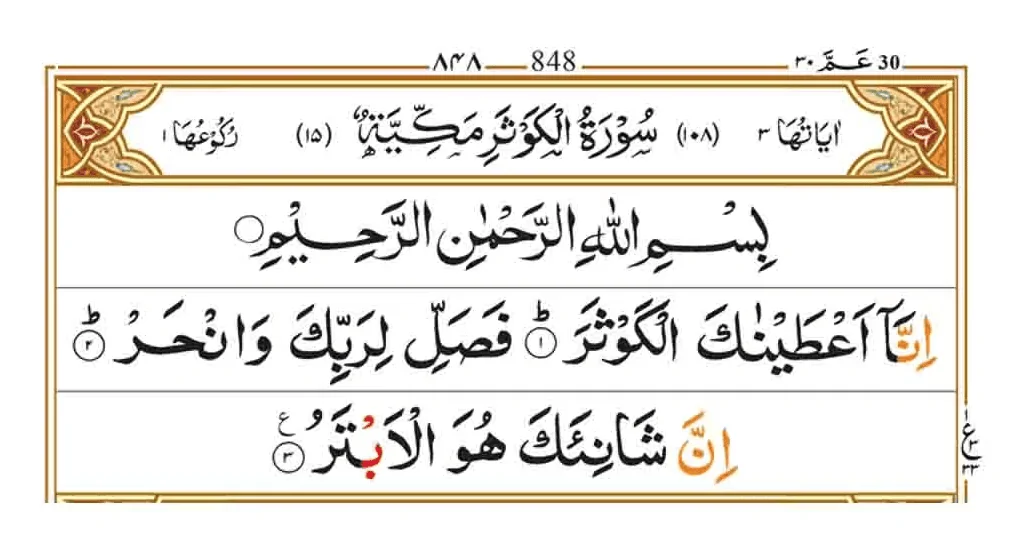

No matter how wise, experienced, or thoughtful we are, every one of us faces moments of uncertainty; when making the right decision feels overwhelming or unclear. In such situations, Istikhara emerges as a powerful and sacred tool in Islam, as a means of seeking divine guidance directly from Allah when faced with difficult choices.
Salat al-Istikhara and the Istikhara dua in Arabic are a profound gift bestowed upon Muslims, offering clarity, peace of mind, and direction during life’s turning points. Whether it’s a decision about marriage, career, travel, or any personal matter, this beautiful practice reminds us to turn to Allah and trust His wisdom above all.
What does istikhara mean?
The word Istikhara originates from the Arabic root “khayr,” signifying goodness and well-being. Linguistically, Istikhara means to seek the best or most beneficial outcome. In Islamic practice, it refers to a specific prayer Muslims perform when faced with important decisions, asking Allah to guide them toward what is best in both their worldly and spiritual affairs.
It is a Sunnah of the Prophet Muhammad ﷺ, who used to teach his companions to perform Istikhara in all matters, big or small. As narrated by Jabir ibn ‘Abdullah in Sahih Bukhari, the Prophet ﷺ emphasized its role as a consistent habit, not just reserved for major life events.
Through Istikhara, the believer places complete trust in Allah’s infinite wisdom and unseen knowledge. Thus, Istikhara is both a spiritual act of surrender and a means of making better-informed, faith-centered decisions.
Purpose of istikhara in Islam
The purpose of Istikhara lies in a deep recognition of our human limitations. As much as we try to plan wisely, we can never fully know what lies ahead, or what truly benefits us in the long run. Only Allah, the All-Knowing, sees the unseen and understands what is best for us in every situation. This is why the Prophet Muhammad ﷺ encouraged Muslims to make Istikhara not only in difficult or life-changing decisions like marriage, travel, or career moves but also as a regular habit. Istikhara serves as a way to entrust our choices to Allah, especially when we feel unsure or burdened.
For faster progress, check out our intensive Arabic course online, designed to help you master essential topics quickly and efficiently.
Istikhara dua in Arabic

Istiikhara dua translation and transliteration
English translation of istikhara dua:
O Allah, I turn to You for guidance, relying on Your all-encompassing knowledge, and I call upon Your strength, drawing from Your limitless power. I ask for Your boundless blessings, recognizing that You are capable while I am not, You know all while I know only fragments, and You alone are the Knower of all that is hidden and unseen. O Allah, if You know that this matter (and mention your need) is good for me in my religion, my livelihood, and the outcome of my affair, then decree it for me and make it easy for me, then bless me in it. And if You know that this matter is bad for me in my religion, my livelihood, and the outcome of my affair, then turn it away from me and turn me away from it, and decree for me what is good wherever it may be, then make me content with it.
Istikhara dua transliteration:
Allhomma enni astakhiroka bi‘ilmak, wa astaqdiroka bi qudratik, wa as’aluka men faḍlika al-aẓeem, fa ennaka taqdir wala akdir, wa ta‘lam wa la a‘lam, wa anta ‘alaam al-ghuyoob.
Allahumma in kunta ta‘lamu anna hadha al-amr (mention your matter) khayr li fi deni wa ma‘ashi wa ‘aqibat amri, faqdurhu li wa yassirhu li, thumma barik li feeh.
Wa in kunta ta‘lamu anna haza al-amr sharrun li fi deny wa maashi w ‘aqibat amry, fa aṣrifhu ‘anni w aṣrifni ‘anhu, waqdur li al-khayr ḥaythu kana, thumma arḍini bih.
Can we recite istikhara dua without performing the prayer?
While the complete Sunnah of Istikhara includes praying two rak’ahs followed by the dua, it is permissible to recite the Istikhara dua without performing the prayer, especially in situations where prayer is not possible. For example, women during menstruation or anyone unable to pray due to valid reasons can still seek Allah’s guidance through the dua alone. The core purpose of Istikhara is to ask Allah for what is best, and that intention can be fulfilled through sincere supplication, even without the formal prayer. However, when possible, it is always better to follow the full practice as taught by the Prophet ﷺ.
Best time for reciting istikhara dua
Istikhara can be performed at any time of the day or night, as there is no specific time prescribed for it in the Sunnah. However, it should be avoided during the prohibited times for prayer, such as right after Fajr until sunrise, and just before Maghrib. If you are performing Istikhara with the two rak’ahs of prayer, the dua should be recited immediately after completing the prayer and saying the tasleem. While night prayers (like Tahajjud) are spiritually rewarding, Istikhara remains valid and effective whenever it is offered sincerely.
What to expect after reciting istikhara dua in Arabic?
Many people mistakenly believe that Istikhara will result in a clear sign or a dream, but this is not necessarily the case. The response to Istikhara often comes in subtle, natural ways rather than dramatic revelations. You may experience:
- A feeling of comfort, peace, or clarity about the next steps.
- A growing inclination toward a particular choice or direction.
- A feeling of unease or discomfort, which may signal that it’s not the right decision.
- Unexpected delays, barriers, or complications, which can indicate that the matter is not good for you.
- Sometimes, the outcome unfolds gradually over time through circumstances.
What’s most important is to maintain trust in Allah’s wisdom, continue seeking guidance through du’a and reflection, and, when needed, consult others.
Learn Arabic to deepen your istikhara experience
Reciting the Istikhara dua in Arabic allows you to connect more deeply with its meaning and spiritual power, helps to understand the words you’re saying, making your prayer more heartfelt and personal. If you want to improve your ability to perform Istikhara, learning Arabic is a valuable step.
One great resource to begin or advance your Arabic journey is E-hoopoe, which offers some of the best Arabic classes online. Their courses cover both beginner and advanced levels, helping you build the confidence to understand the Qur’an, daily prayers, and essential Islamic teachings. Learning Arabic allows you to create a deeper connection with your faith by providing you the ability to meditate on Allah’s words directly and engage with Islamic texts and supplications on a deeper level.
Explore our diverse Arabic programs & book tour preferred class.
Frequently asked questions
- How to know if istikhara is answered?
Istikhara is usually answered through how events unfold. If things go smoothly or you feel at ease, it’s likely a sign to proceed. If you face obstacles or persistent discomfort, it may be a sign to avoid the decision.
- Does Istikhara always result in a dream?
No, Istikhara does not require a dream. While some may have one, most answers come through feelings of clarity, ease, or how things develop not through visions. The focus should always be on trusting Allah, not expecting a dream.
- Can someone pray istikhara for me?
Simply no. Istikhara is meant to be a personal conversation between you and Allah, which is why it’s important that you pray it yourself. Some people wrongly believe that someone “more religious” can do Istikhara on their behalf, but the supplication specifically refers to your own needs and situation.