
Many Arabic learners often wonder, “What’s the difference between Quran Arabic and Modern Arabic?” This is a common question because, although the two are connected, they have clear differences. These differences come from their history, how they sound, and their grammar, among other things. Knowing these differences is important for anyone learning Arabic, whether you’re studying for religious reasons or to communicate in everyday life.
In this blog, we’ll look at the main differences between Quranic Arabic and Modern Arabic to help you understand which one might be better for your learning goals.
Difference between quran arabic and modern arabic
The Quranic Arabic and Modern Standard Arabic are two different forms of the Arabic language, partly similar yet very different. Both originate from the same language background and have a similar structure, but they are not the same in many ways.
What is Quranic Arabic?
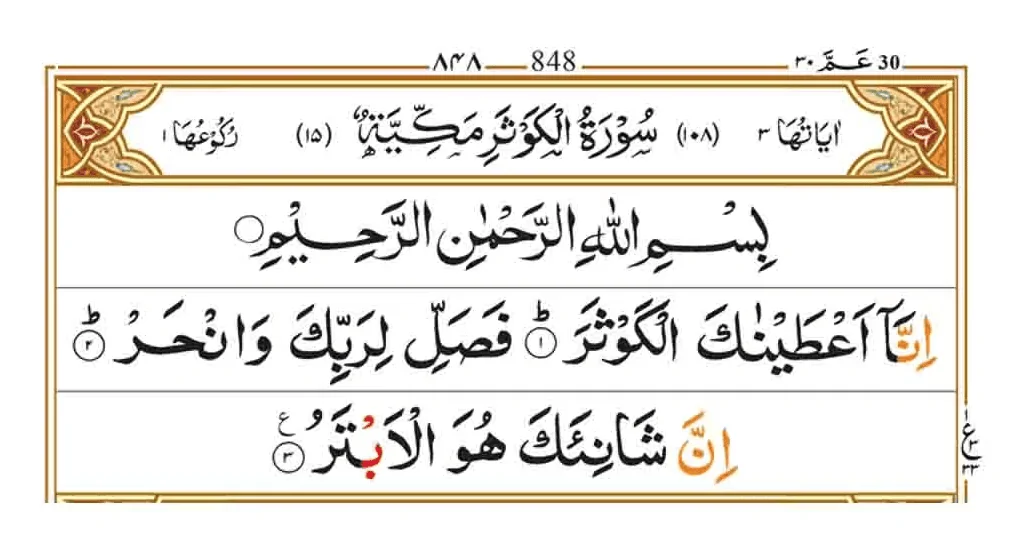
Quranic Arabic, also known as Classical Arabic, is the form of Arabic used in the Quran, the holy book of Islam. It dates back to the 6th century and is different from the Arabic spoken today. Based on early Arab dialects, Quranic Arabic was organized and standardized by language experts in the 9th century. It has complicated grammar, a wide range of words, and special rules for pronunciation, often shown with symbols to help with reading. While Modern Standard Arabic (MSA) has changed to fit modern needs, Quranic Arabic has kept its old structure, making it important for religious studies and understanding. Many Muslims learn it to read and interpret the Quran. Although Quranic Arabic and MSA have some things in common, Quranic Arabic’s unique grammar and context set it apart from MSA.
What is Modern Arabic (MSA)
Modern Standard Arabic (MSA) is a simplified and updated version of Arabic used in news, books, schools, and formal talks across Arab countries. It takes the old, classical Arabic and adds new words for modern ideas and technology. While it is rooted in the Arabic of the Quran, MSA has easier grammar, modern words, and sentence structures that fit today’s needs. MSA is very close to Classical Arabic, but there are small differences in how words are said, arranged, and used, reflecting changes in society over time. If you want to live or work in an Arabic-speaking place, learning MSA is the best choice. But if your goal is to deeply understand the Quran, you’ll need to study Quranic Arabic.
Quran Arabic vs Modern Arabic: Key Differences
Quranic Arabic and Modern Standard Arabic (MSA) have a lot in common, but there are also important differences. Understanding the difference between Quran Arabic and Modern Arabic is crucial. These differences span across pronunciation, grammar, vocabulary, and sentence structure, making each form distinct.
- Pronunciation: In Quranic Arabic, there is a system of long and short vowels, while MSA mostly uses short vowels. Some consonants and letters, like “a,” “jim,” and “hamza,” are pronounced differently in both forms. MSA tends to have softer pronunciations, while Quranic Arabic uses more distinct, deeper sounds.
- Historical Context: Quranic Arabic originated in the older century and preserves the linguistic features of that time, while MSA evolved over centuries and continues to adapt to modern communication needs, influenced by other languages and cultural changes.
- Grammatical Variations: Quranic Arabic retains older morphological structures, such as specific verb forms and roots, while MSA uses simpler, more modern variations.
- Writing Style: Quranic Arabic is very organized and poetic, often using comparisons and creative language techniques. On the other hand, Modern Standard Arabic (MSA) prefers clear and straightforward writing.
- Syntax: Quranic Arabic sometimes uses more complicated sentence patterns, like reversing the order of words, while MSA uses simpler and more common sentence structures.
In general, although both forms are related, the differences in pronunciation, grammar, and style mean you need focused study, especially to understand and recite the Quran properly.
E-hoopoe provides a detailed Quranic Arabic course to help you fully grasp the language and its subtle details.
Which One is Easier for New Learners?
It is normally easier for a beginner to learn Modern Standard Arabic than Quranic Arabic, as MSA is used more in everyday life, its grammar and vocabulary are standardized, and it is taught in most schools and colleges. It also lays the ground for learning regional dialects. On the other hand, Quranic Arabic is filled with unique vocabulary, grammatical structures, and pronunciation features that make it more difficult for beginners who haven’t ever been exposed to Arabic.
E-hoopoe offers an intensive Arabic course online to help learners navigate the complexities of both Quranic Arabic and MSA. With experienced instructors and a structured, supportive learning environment, E-hoopoe ensures students gain proficiency in these forms of Arabic with confidence.
Learn Arabic Online with E-hoopoe
E-hoopoe provides the best online Arabic course designed to fit your needs. Whether you’re a beginner or want to improve your skills, E-hoopoe’s flexible courses let you learn at your own pace. With experienced teachers and plenty of resources, E-hoopoe makes learning Arabic thorough and enjoyable. No matter if you’re interested in Quranic Arabic or Modern Standard Arabic, E-hoopoe gives you the tools and support to become fluent in the language.
Bottom Line
In short, it’s very important for anyone learning Arabic to understand the difference between Quran Arabic and Modern Arabic. Both languages come from the same roots, but they are very different in terms of grammar, pronunciation, words, and how they are used. Quranic Arabic, with its deep historical and religious background, can be challenging to learn, while Modern Arabic is more practical for everyday communication in today’s world. No matter which one you choose to learn, one thing is certain: mastering either will open doors to one of the most influential languages in the world.
Start your journey to fluency in Arabic today with E-hoopoe! Sign up for a free trial and enjoy the flexibility of learning at your own pace.
Frequently Asked Questions
- Which Arabic is closest to Quranic Arabic?
Classical Arabic is the closest to Quranic Arabic because it has very similar grammar, vocabulary, and pronunciation to the Quran.
- Should I learn Quranic Arabic or Modern Standard Arabic?
If your goal is to understand the Quran or read Islamic writings, then Quranic Arabic is a better choice. However, if you want to communicate in Arabic-speaking countries or become fluent in everyday Arabic, Modern Standard Arabic is more useful.