
Ramadan is a time of such great spiritual closeness and connection with Allah (SWT). Ramadan for women, though, has its own unique experiences, blessings, and trials that are often overlooked. We as women may face disturbances like menstruation, household work, and the delicate balance of maintaining our physical, mental, and spiritual well-being during this blessed month.
Many Muslim sisters will relate to this feeling: “I feel like I miss out on Ramadan because I can’t fast during my period!” It’s a common belief among women, but let’s all agree that missing the fast doesn’t mean missing out on the true spirit of Ramadan. While fasting is an important part of worship, there are other ways to get closer to Allah during this holy month.
In this blog, we’ll explore how women can still make the most of Ramadan, embrace its blessings, overcome obstacles, and find ways to maintain their spiritual connection even if they don’t fast.
Islamic perspective on menstruation and fasting
Menstruation is one of the most frequent experiences that women encounter during Ramadan. Although many women feel disappointed or sad about not being able to observe the fast during this time, it is crucial to remember that menstruation is a normal occurrence and that Allah (SWT), in His mercy has exempted women from fasting and even praying during this time. This exemption is a sign of Allah’s compassion for women.
How can women stay spiritually connected during menstruation?
Even though fasting is not required, there are still numerous ways for women to deeply engage in worship and spirituality during their menstruation. Here are some tips:
- Make your tongue busy with Dhikr: Repeat words of remembrance like “SubhanAllah,” “Alhamdulillah,” and “Allahu Akbar.” Engaging in dhikr is an easy yet impactful method to sustain your bond with Allah during this time.
- Do More Acts of Charity: Giving charity is a rewarding act, particularly during the month of Ramadan. Think about donating, helping those in need, or even being kind to those around you.
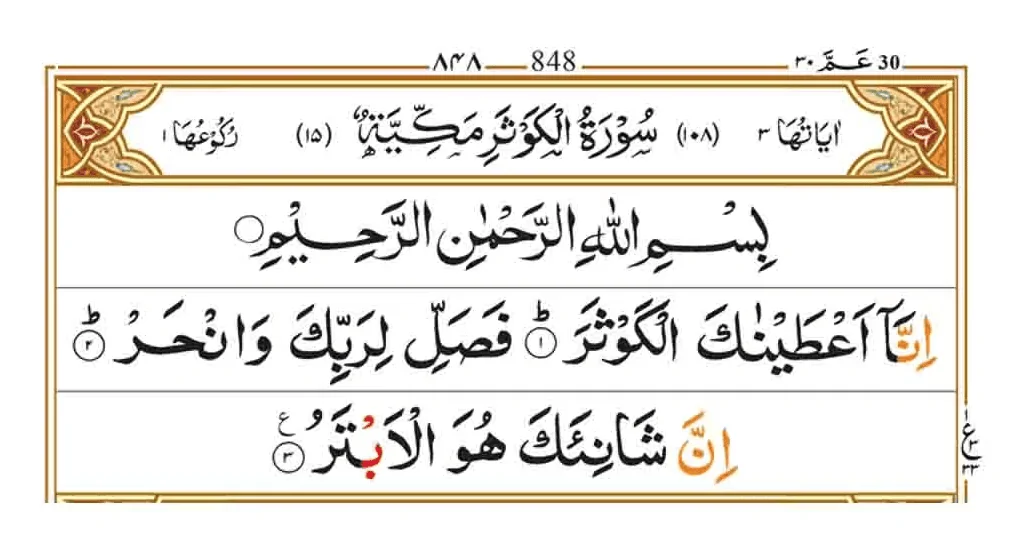
- Recite and Reflect on the Qur’an: While women are not allowed to touch the Qur’an when menstruating, they can still hear recitations. This can be an enriching way of absorbing the guidance of the Quran and pondering its meanings.
- Make Du’a (Supplication): It is an ideal moment to make du’a and beg Allah’s favours, guidance, and forgiveness. Menstrual days may be used to turn to Allah in a personal way.
Fasting during pregnancy and breastfeeding
In Islam, women who are pregnant or breastfeeding also permitted to skip fasting if they are concerned about harming themselves or their unborn child. While it is important to prioritize your health and well-being, this does not mean that the spiritual rewards of Ramadan are out of reach.
Ways to fulfill your spiritual duties
- Feed the Poor: If you can’t fast because you’re pregnant or breastfeeding, Islam suggests you help out by feeding those in need. You could also prepare iftar meals for others.
- Engage in Other Acts of Worship: Even if fasting isn’t an option, you can still do more prayers (Salat), dhikr, and kind deeds. Ramadan is all about getting closer to Allah through different types of worship.
- Learn About the Prophet (peace be upon him): Read about the teachings and life of the Prophet Muhammad (peace be upon him) to strengthen your love for him and inspire your actions.
- Learn More About Islam: Enhance your spiritual growth by learning more about Islam through books, lectures, or online islamic course to strengthen your faith and practice.
House chores and balancing responsibilities
Taking care of family members, cleaning, and preparing meals for iftar and suhoor are some of the particular difficulties faced by women during Ramadan. These duties can feel overwhelming, particularly during fasting but finding a balance between worship, relaxation, and physical well-being is crucial.
Tips for managing housework during Ramadan
- Involve Other Family Members:Ramadan can also be utilized as an opportunity to turn the house into a communal space. Involve your spouse, children, or other relatives in cooking or doing other chores.
- Rest First: Rest is also part of maintaining balance while fasting during Ramadan. Ensure that you rest during the day to make you feel refreshed for night prayer and worship.
- Prepare Meals Ahead: If cooking during the day is difficult for you, prepare meals in advance when you are not fasting so you will have more time for worship.
How to celebrate Ramadan for women: Tips for a Rewarding Ramadan
Ramadan is a time for spiritual growth, and there are countless ways to make the most of this month.
- Prioritize Regular Prayers: Make sure you complete your five daily prayers on time. One of the most effective ways to deepen your relationship with Allah is to stand in front of Him in prayer.
- Read and Reflect on the Qur’an: Even if you are busy with household tasks, you can break up your reading into smaller sections. Try reading a portion after each prayer, or listen to Qur’anic recitations as you go about your day.
- Ask Allah for more blessings in your day: Make a request to Allah for barakah in your time. This way, you’ll be able to get your daily tasks done efficiently, and still have the strength and concentration for worship and contemplation throughout Ramadan.
Completing the Quran in Ramadan for Women
Many women may wonder how to complete the entire Qur’an during Ramadan, especially when balancing housework, family, and other responsibilities. Here’s a practical approach:
- Break it into Sections: Divide the Qur’an into manageable sections. For example, read a page following each prayer or read a few pages during the day. This breaks the task down into something not so overwhelming.
- Use Qur’anic Apps: Many apps let you track your progress and provide Qur’anic recitations. Even if you have a hectic schedule, this is a simple method to maintain your reading habits.
- Stay Consistent: Even if you can’t read large amounts at once, consistency is key. A small portion every day will add up over time, and the spiritual rewards are immense.
Quran reading schedule for women
If you lose 5-7 days due to menstruation, you’ll need to adjust the reading schedule accordingly. This means you’ll have approximately 22-25 days available for reading.
1- Distribute the Pages Over Available Days:
- For 22 days of fasting (if you miss 8 days): 604 pages ÷ 22 days = 27-28 pages per day.
- For 25 days of fasting (if you miss 5 days): 604 pages ÷ 25 days = 24-25 pages per day
2- Break it Down for Each Day:
- To make it manageable, divide the reading into smaller sections around the 5 daily prayers
3- If you miss some days due to menstruation, use the following strategy:
- On days when you are not menstruating, you can increase your reading slightly, depending on how many days you missed.
E-hoopoe: elevating women’s islamic education
E-hoopoe is a comprehensive platform dedicated to supporting Islamic education for all. With a rich selection of resources, including Quran recitations, lectures, and interactive learning tools, E-hoopoe makes Islamic knowledge accessible to everyone. E-hoopoe stands out for its dedication to promoting women’s education by providing women of all ages with knowledgeable and experienced female instructors. E-hoopoe makes sure that women have the chance to deepen their faith, interact with Islamic teachings, and connect with a global learning community by offering a welcoming and inclusive learning environment.
Conclusion
Ramadan for women is a time for increased knowledge and reflection. Though it brings its own set of challenges, it’s also a month overflowing with blessings. Women can truly embrace the spirit of Ramadan and grow closer to Allah by finding harmony between their spiritual practices, personal well-being, and duties to their families during this holy month.
Throughout Ramadan and beyond, E-hoopoe is dedicated to supporting women on their spiritual path. E-hoopoe provides you with a multitude of resources to improve your understanding of Islam and strengthen your relationship with Allah.
Join E-hoopoe today and enrich your Ramadan with meaningful learning and support.