
The Countless Blessings of seeking knowledge in Islam
Knowledge has always been seen as a key to unlocking potential, and in Islam, it holds an even deeper significance. From the very first revelation to Prophet Muhammad ﷺ, the Quran emphasizes the immense value of seeking knowledge. Seeking knowledge in Islam is a fundamental duty for every Muslim, regardless of age, gender, or social status. It is not just about acquiring information, but about empowering oneself to grow spiritually, ethically, and intellectually. This sacred quest for knowledge is a universal right, fostering personal growth and benefiting the broader Ummah.
In this blog, we’ll explore how pursuing knowledge in Islam leads to countless rewards, both in this life and the Hereafter.
Seeking knowledge meaning in Islam
In Islam, seeking knowledge is not merely about gathering facts but a profound journey to understand the teachings, principles, and guidance of Islam. The importance of knowledge in Arabic language is foundational to this pursuit, as the Arabic term ‘ilm’ signifies deep understanding, not just the memorization of facts. The Arabic language plays a crucial role in this process, as it is the medium through which the Quran was revealed, and understanding its nuances leads to a deeper comprehension of the divine message.
Imam Al-Ghazali described knowledge as “the attainment of actual description or representation in the heart,” pointing to its transformative nature. Additionally, Professor Syed Naquib al-Attas distinguishes between two ways of acquiring knowledge:
- Husul: When knowledge reaches the heart or soul.
- Wusul: When the soul truly grasps and understands knowledge.
Ibn Sina defines knowledge as the understanding of reality, with the intellect constantly observing and reflecting upon it. In Islam, knowledge is viewed as a universal and interconnected concept, where every field of understanding, whether religious or worldly, holds value.
Thus, seeking knowledge in Islam is a spiritual and intellectual pursuit, aimed at enhancing both the self and one’s connection to the divine.
What Quran says about seeking knowledge in Islam
The Quran places great emphasis on the pursuit of knowledge, highlighting its importance in both spiritual and worldly matters. Several verses encourage Muslims to seek knowledge, reflecting its central role in Islam.
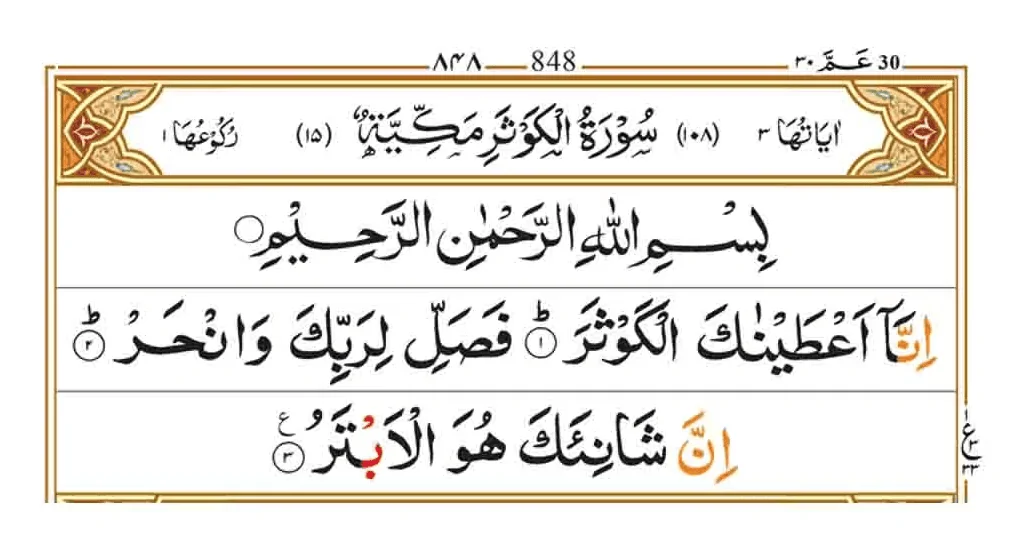
- The First Revelation: The Quran begins with the command, “Read in the name of your Lord who created” (Quran 96:1). This first revelation emphasizes the importance of learning and gaining knowledge, setting the foundation for the quest for understanding in Islam.
- Seeking Understanding: The Quran encourages reflection and contemplation, urging believers to look at the signs of Allah in creation. “And He it is Who created for you all that is in the earth” (Quran 2:29), inviting Muslims to seek knowledge about the world around them.
- Elevation Through Knowledge: Allah promises to lift up those who seek and gain knowledge. As it is said in the Quran, “Allah will raise those of you who believe and those who have been given knowledge.” (Quran 58:11). Knowledge brings spiritual elevation and closeness to Allah.
- Knowledge as a Means of Taqwa (God-consciousness): The Quran links knowledge to piety, or taqwa. In Surah Al-Imran (3:18), Allah says, “Indeed, those who fear Allah among His servants are the learned.” True knowledge in Islam is not just intellectual but leads to a deeper consciousness of Allah.
E-hoopoe offers an Islam Ethics Course that helps guide Muslims towards ethical living in accordance with Islamic principles
Exploring how seeking knowledge in Islam is important
Seeking knowledge is extremely important in Islam, as it is strongly emphasized in the Quran and Hadith. It is not merely encouraged but considered an obligation for every Muslim, reflecting its vital role in both spiritual and worldly life.
Highlights:
- Closeness to Allah: Pursuing knowledge brings individuals closer to Allah, deepening their understanding of faith and fostering spiritual growth.
- Facilitating Worship: Knowledge enhances worship by helping Muslims understand and practice religious teachings more sincerely.
- Great Rewards: Seeking knowledge is a noble endeavor that leads to elevated ranks in the sight of Allah and promises divine rewards, including a path to Paradise.
- Obligation from Allah: The Prophet emphasized that acquiring knowledge is compulsory for all Muslims, regardless of gender or age.
- Honor and Respect: Knowledge brings honor, with knowledgeable individuals gaining respect and being seen as role models within their communities.
- Role Models: Scholars inspire others to seek knowledge and adhere more closely to their faith.
- Inheritors of Prophets: Knowledgeable individuals are regarded as the heirs of the Prophets, passing on wisdom and guidance.
- Increased Community Status: Knowledge elevates an individual’s status, fostering respect and the potential for positive societal impact.
- Leadership Opportunities: Knowledge often leads to leadership roles, where individuals guide others with informed decisions and moral integrity.
Hadith insights on the importance of knowledge in Islam
Prophet Muhammad (peace be upon him) emphasized that seeking knowledge is a religious duty for every Muslim.
- One of the most famous seeking knowledge in islam hadith, “Seeking knowledge is obligatory upon every Muslim,” underscores the central role knowledge plays in Islam. It is a means of achieving self-realization, fulfilling one’s purpose, and ultimately attaining success in the Hereafter.
- The Prophet Muhammad (peace be upon him) said, “Anyone who follows a way to seek knowledge, Allah will make their way to jannah easier. Truly, the angels spread their wings with joy for those who seek knowledge.” This hadith shows the great spiritual benefits for those who seek knowledge, emphasizing how it brings blessings from Allah.
- Another hadith showing the importance of knowledge in islam hadith states: “If Allah intends goodness for a person, He gives him the understanding of the religion.” This shows that knowing and understanding the faith is a blessing from Allah.
In light of these teachings, we can see that the pursuit of knowledge is not only encouraged but promised with immense spiritual rewards. Knowledge leads to a deeper connection with Islam, and those who seek it are promised a path to Paradise and greater understanding.
The Three Branches of Knowledge in Islam
Islam categorizes knowledge into three primary branches, each reflecting a comprehensive understanding of both spiritual and worldly aspects. These categories are rooted in the teachings of the Quran, offering a holistic view of knowledge.
- Religious Knowledge: The foundation of Islamic knowledge is tawhid (the oneness of Allah), which underpins all religious understanding. This branch includes the study of Tafsir (Quranic exegesis), Fiqh (Islamic jurisprudence), and Hadith (the sayings of the Prophet Muhammad). Acquiring religious knowledge is considered an obligation for all Muslims, helping them deepen their connection to Allah and their faith.
- Pure Sciences: This branch includes disciplines such as mathematics and logic, which focus on reasoning and deductions from established truths.
- Natural Sciences: The natural sciences, including fields like biology, physics, and chemistry, explore the physical world. The Quran encourages reflection on nature, highlighting the signs of Allah’s greatness in creation.
These three branches of knowledge are interconnected in Islam, fostering a comprehensive approach to understanding both the divine and the natural world. This integration promotes a unified view of knowledge, where religious beliefs are complemented by rational and empirical inquiry.
The Two Categories of Knowledge in Islam
In Islam, knowledge is divided into two main types, as explained by most Islamic scholars:
- Individually Obligatory Knowledge (Farḍ ʿAyn): This refers to the essential knowledge that every Muslim must acquire. It includes the fundamentals of Islamic beliefs, such as the pillars of Islam and Iman, the basics of worship, and necessary fiqh rulings. Failing to seek this knowledge is considered sinful, and individuals are held accountable for their ignorance in these areas.
- Communally Obligatory Knowledge (Farḍ Kifāyah): This type of knowledge is not required of every individual but must be acquired by a sufficient number of people within the community. Once a group of individuals gains this knowledge, others are exempt. Examples include fields like law, medicine, and other professions that serve the welfare of society. This type of knowledge is considered a sunnah mu’akkadah, an emphasized recommendation.
Effective strategies for seeking knowledge
- Rectify Your Intentions: Ensure your pursuit of knowledge is sincere and for the sake of Allah. Reflect on your motivations regularly to avoid corrupting your intentions.
- Choose Your Teachers Wisely: Learn from qualified and trustworthy scholars who can guide you accurately. Select teachers based on their credibility and alignment with authentic Islamic teachings.
- Attend Classes: Take advantage of the best online islamic courses offered by online platforms such as E-hoopoe. Engaging with instructors enhances your understanding and allows for interactive learning.
- Make Du’a Before Studying: Recite du’a before seeking knowledge, as it can help sharpen your intellectual faculties and increase understanding, making the learning process more effective.
- Read Islamic Books: Start with insightful Islamic books to deepen your knowledge and strengthen your love for Islam.
- Be Patient and Persistent: Knowledge is acquired gradually. Be patient, consistent, and dedicated, even when faced with challenges.
- Engage in Group Learning: Participate in study circles or group discussions to benefit from collective insights and enhance your understanding.
- Reflect and Apply: Reflect on what you learn and strive to implement it in your daily life to make your knowledge meaningful and practical.
E-hoopoe: making islamic knowledge accessible
In the digital age, the quest for seeking knowledge has become more accessible than ever before, thanks to platforms like E-hoopoe.
E-hoopoe is a leading online platform, offering a unique opportunity for Muslims worldwide to enhance their understanding of Islam through a wide range of online courses. Whether you’re looking to deepen your knowledge of the Quran, learn Arabic, or explore the teachings of Hadith and Islamic history, E-hoopoe provides expert-led courses designed to cater to all levels of learners.
With its adult course “What Muslims Must Know,” E-hoopoe empowers individuals to embark on their journey of seeking knowledge in Islam at their own pace and convenience. Guided by qualified instructors, E-hoopoe ensures that your pursuit of knowledge aligns with authentic teachings, making it an ideal platform for anyone committed to both spiritual and intellectual growth.
Experience the power of knowledge. Book your free trial at E-hoopoe today!