
Islam, a faith followed by over a billion people worldwide, is often misunderstood. At its heart, Islam is a religion of peace, submission, and spiritual depth. The foundation of this profound faith lies in the Six Pillars of Faith (Arkan al-Iman); core beliefs that shape a Muslim’s worldview and spiritual journey. These pillars together form a guiding framework that strengthens the relationship with the Creator and provides clarity in life.
In this article, we’ll delve into the significance of these pillars, unveiling their essence and understanding their role in shaping the Islamic creed. We will also highlight the best online Islamic courses by E-hoopoe to help you deepen your understanding and strengthen your connection with these timeless beliefs.
Let’s explore how these timeless beliefs offer purpose and guidance in today’s fast-paced world. 🌟
Understanding Iman in Islam
Iman, the essence of faith in Islam, is a profound belief that shapes a Muslim’s thoughts, actions, and perspectives. It goes beyond acknowledgment, requiring sincere commitment and heartfelt acceptance of Islam’s principles.
This active faith influences every aspect of life, from daily prayers to moral choices, fostering resilience and hope in challenging times. Understanding Iman unveils how faith guides a Muslim’s journey and offers deep insights into Islamic spirituality.
Definition and Significance of Iman
Iman, meaning belief in the unseen, represents a firm conviction in Allah, His angels, books, prophets, the Last Day, and divine decree. For Muslims, these are absolute truths, not speculative ideas.
Iman is dynamic, encouraging growth through learning, reflection, and good deeds. It fosters unity within the Muslim community, connecting people across cultures and languages.
Beyond belief, Iman inspires ethical living. It promotes justice, truth, and kindness, making it a cornerstone of Islam’s moral framework.
The Core Islamic Tenets: Six Pillars of Faith
1- Belief in Allah: The Foundation of Islamic Beliefs
Belief in Allah is central to Islamic faith, recognizing Him as the sole Creator and Sustainer. Muslims believe Allah possesses unique attributes, such as mercy, wisdom, and omnipotence, which shape their worldview and guide their actions. This belief rejects idolatry and affirms Allah’s exclusive right to worship, encouraging ethical conduct and trust in His justice and mercy.
Key takeaways include:
- Allah as the sole Creator
- His attributes: mercy and wisdom
- Rejection of idolatry
2- Belief in His Angels: Understanding Spiritual Helpers
Belief in angels is a key aspect of Iman. Muslims believe angels are Allah’s messengers and servants, made from light, with roles like recording human deeds and delivering divine messages. Angels are sinless and their obedience to Allah serves as a model for humans. This belief fosters mindfulness of actions and moral accountability.
Key roles of angels include:
- Messengers and servants of Allah
- Recording human deeds
- Delivering divine messages
3- Belief in Holy Books: The Sacred Texts of Guidance
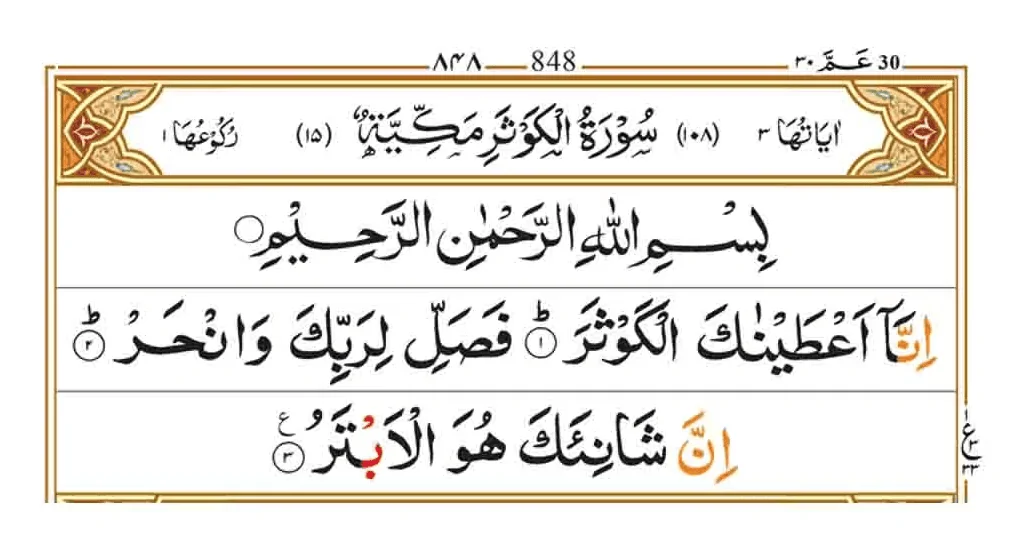
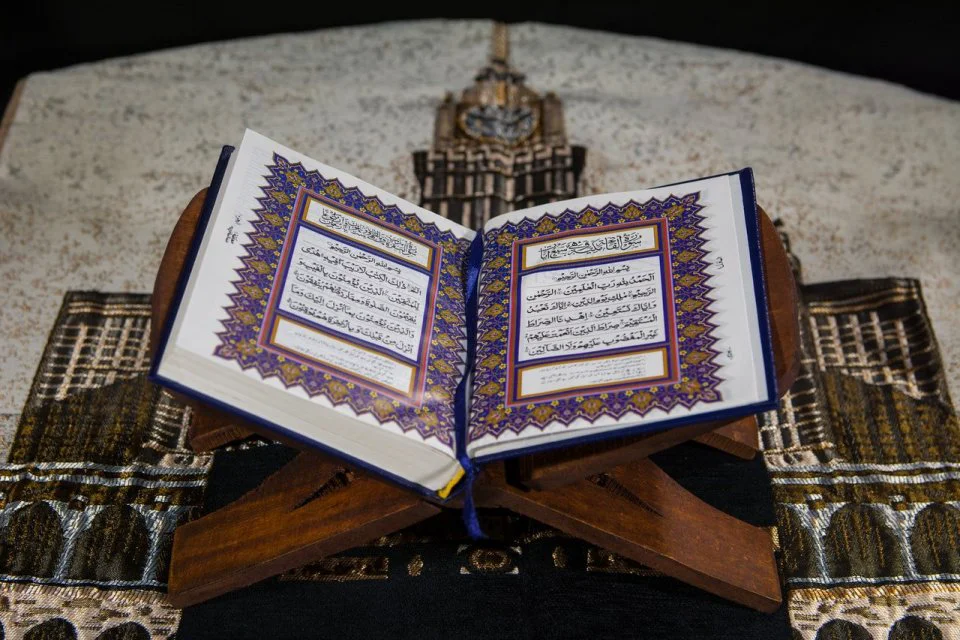
Belief in holy books is central to Islamic guidance. Muslims believe Allah has sent scriptures, including the Quran, Torah, Psalms, and Gospel, with the Quran as the final and most complete revelation. The Quran is considered free from error and preserved, while earlier scriptures were altered. These texts deeply influence daily life, providing moral guidance and shaping Islamic law.
Key insights include:
- Comprehensive guidance on life and worship
- Unaltered Quran as the final revelation
- Moral compass for justice and righteousness
4- Belief in His Messengers: Prophets as Guides to Humanity
Muslims believe that Allah sent prophets to guide humanity. All prophets are seen as conveyors of God’s message, offering wisdom and guidance. While they are highly revered, they are not divine. Prophet Muhammad, in particular, is an exemplar of conduct and character. The teachings and examples of the prophets provide inspiration for ethical living and strengthen the connection with Allah. This belief encourages Muslims to follow the prophets’ virtues, study their Sunnah, and align their actions with Allah’s will.
In short, key points include:
- Conduits of God’s wisdom
- Exemplars of conduct and character
- Reminders of divine mercy
5- Belief in the Last Day: Preparing for the Hereafter
Belief in the Day of Judgment is central to Islamic faith. Muslims believe in the resurrection of the dead and accountability for actions, highlighting the transient nature of life and the eternal afterlife. This belief motivates ethical behavior, as actions have consequences. The Day of Judgment serves as a moral compass, guiding Muslims toward righteousness. Hope for Allah’s mercy and the concepts of paradise and hellfire influence daily choices.
Key elements include:
- Resurrection and accountability
- Eternal paradise or hellfire
- Motivation for ethical conduct
6- Belief in Divine Decree: Acceptance of Qadar
Belief in Qadar encompasses acknowledging Allah’s plan and wisdom, affirming that nothing happens without Allah’s permission. This belief encourages acceptance and patience during hardships, fostering trust in Allah’s plan while emphasizing humility and the balance between personal effort and divine will.
Briefly, key aspects include:
- Balance of predestination and free will.
- Divine wisdom governing events.
- Trust in Allah’s perfect plan.
The Impact of the Six Pillars on Islamic Creed
The six pillars guide Muslims in both personal and collective faith, helping them build a strong relationship with Allah.
- Spiritual Foundation: Each pillar strengthens understanding, forming a cohesive framework for spiritual and moral life.
- Accountability: Belief in Allah’s oneness and the Last Day encourages ethical living, reminding Muslims of the eternal consequences of their actions.
- Unity: Shared beliefs foster a sense of community, enhancing spiritual growth and social harmony.
- Cultural Impact: The pillars influence Islamic views on justice, compassion, and service, promoting positive contributions to society and collective well-being.
These interconnected beliefs shape how Muslims navigate life with purpose, peace, and responsibility.
Deepen Your Understanding of Islam with E-hoopoe
E-hoopoe is a leading international online institute offering Quran, Arabic, and Islamic classes for individuals of all ages and skill levels. At E-hoopoe, we harness the power of modern technology to provide high-quality online learning experiences. Our highly trained male and female tutors, many of whom graduated from the prestigious Al-Azhar University, are fluent in English and dedicated to helping you achieve your personal and spiritual goals. With a wide range of courses in various Islamic disciplines, we offer a distinctive curriculum, flexible scheduling, and one-on-one classes tailored to your needs.
Conclusion
The six pillars of faith in Islam offer a clear framework for both spiritual and worldly life. They shape personal and communal identity, guiding ethical living and fostering peace.
These timeless beliefs provide comfort and wisdom, remaining relevant across generations. Embracing them deepens the connection with Allah, leading to a purposeful and reflective life.
E-hoopoe’s Islam ethics course is designed to help you explore and understand these core principles in depth. With expert instructors and a flexible, engaging curriculum, this course offers valuable insights, empowering you to live a life rooted in faith, integrity, and compassion.
Enjoy the benefit of our free trial class to experience high-quality learning with E-hoopoe . Book your free trial now!