Laylatul Qadr, the Night of Power, is the most sacred night of the year; a night when worship, prayers, and good deeds are multiplied beyond measure. Described in the Quran as “better than a thousand months”, it is a time when sins are forgiven, destinies are decreed, and the gates of mercy are wide open. This night is an opportunity that no believer should miss. Understanding what to do on Laylatul Qadr is essential to fully benefit from its immense rewards. From prayers and supplications to Quran recitation and charity, engaging in sincere acts of worship can transform this night into a moment of profound spiritual connection and divine blessings
What is Laylatul Qadr?
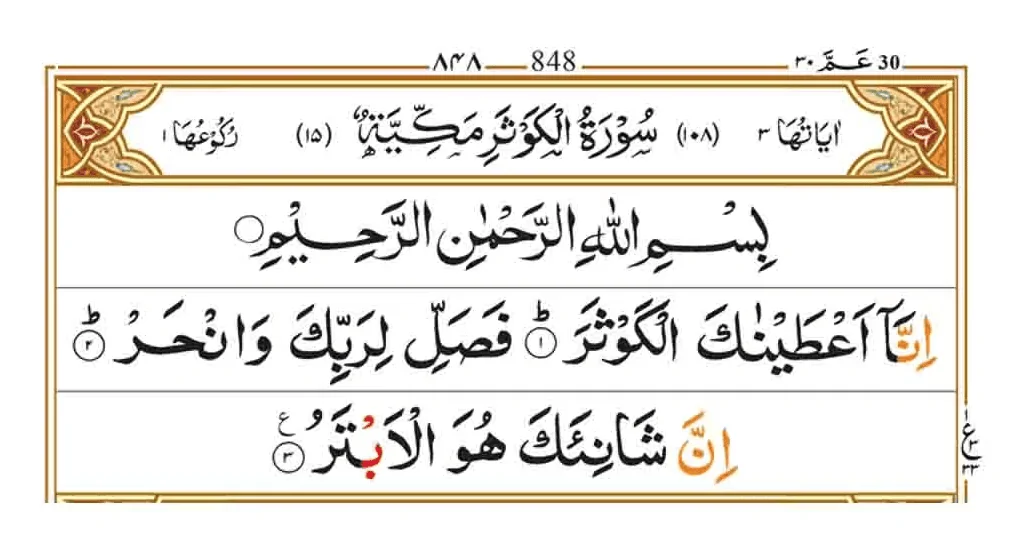
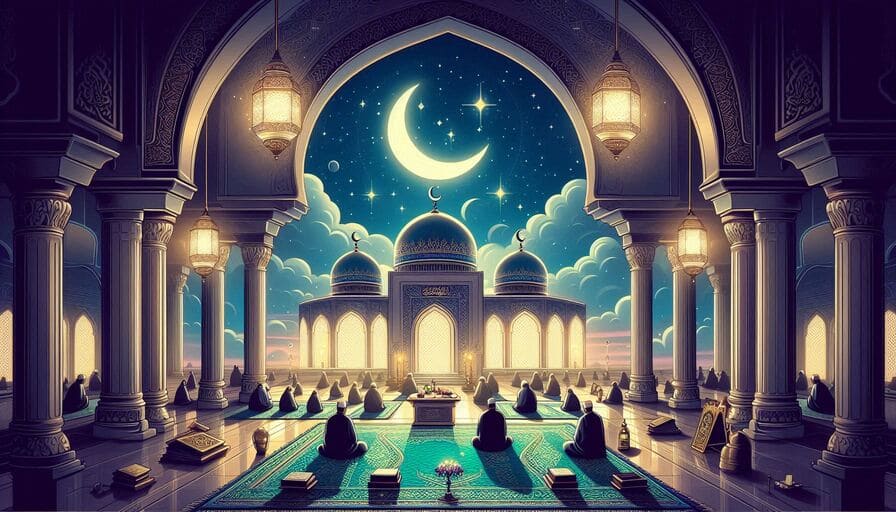
Laylatul Qadr is one night that comes in the last ten nights of the holy month of Ramadan, a night so significant that Allah has devoted an entire Surah (Surah Al-Qadr) of the Quran to it. It is the night when the Quran was first revealed to Prophet Muhammad ﷺ through Jibreel (Gabriel). This divine moment marked the beginning of guidance for all of humanity, making Laylatul Qadr a night of profound significance in Islam.
Why is Laylatul Qadr Special?
Allah declares in the Quran:
“On the Night of Decree (Laylatul Qadr), the Quran was truly revealed. But how could anyone really understand what the Night of Decree truly is? “That night is better than a thousand months”. That’s how special it is.
A thousand months equals over 83 years; a lifetime of worship! This means that a single night of sincere devotion on Laylatul Qadr carries the rewards of more than a lifetime of worship.
The Meaning and Reasons Behind Its Name
The name Laylatul Qadr has profound meanings:
- The Night of Decree: It is on this night that Allah determines the destiny of His creation for the coming year.
- The Night of Power and Glory: The night is so honorable that the angels, led by Jibreel (Gabriel), descend in abundance, bringing divine peace and blessings.
- The Night of Restriction: The earth is filled with so many angels that space becomes limited due to their presence.
Laylatul Qadr in the Quran and Hadith
-
Quranic References
Aside from Surah Al-Qadr, another significant mention is found in Surah Ad-Dukhan:
“And it was during a night filled with blessings that We sent the Quran down. We sent it to warn all humankind. On that same night, every single detail is made perfectly clear.”
-
Hadith References
– The Prophet Muhammad (peace be upon him) said: “Anyone who spends the Night of Decree praying with faith and hoping for God’s reward will have all their past sins forgiven.”
– Aisha (RA) asked the Prophet ﷺ what to say on Laylatul Qadr, and he taught her the famous duaa:
اللهم إنك عفو تحب العفو فاعف عني “O Allah, You are Most Forgiving, and You ro pardon, so please pardon me.” (Tirmidhi)
When is Laylatul Qadr?
The exact date is unknown, but the Prophet ﷺ advised us to seek it during the last ten nights of Ramadan, particularly on the odd nights (21st, 23rd, 25th, 27th, or 29th). Many scholars believe the 27th night is highly probable, but since we do not know with certainty, it is best to increase worship throughout the final ten nights.
What happens on laylatul qadr: Signs of Laylatul Qadr
- Laylatul Qadr is marked by tranquility, it is neither hot nor cold but peaceful and serene.
- The heart feels at ease, and worship feels more intense and meaningful.
- The sun rises the next morning without strong rays, appearing soft and gentle.
- The night is calm, with a sense of spiritual elevation and divine presence.
- Many believers experience an overwhelming feeling of peace and connection to Allah.
What to do during laylatul qadr?
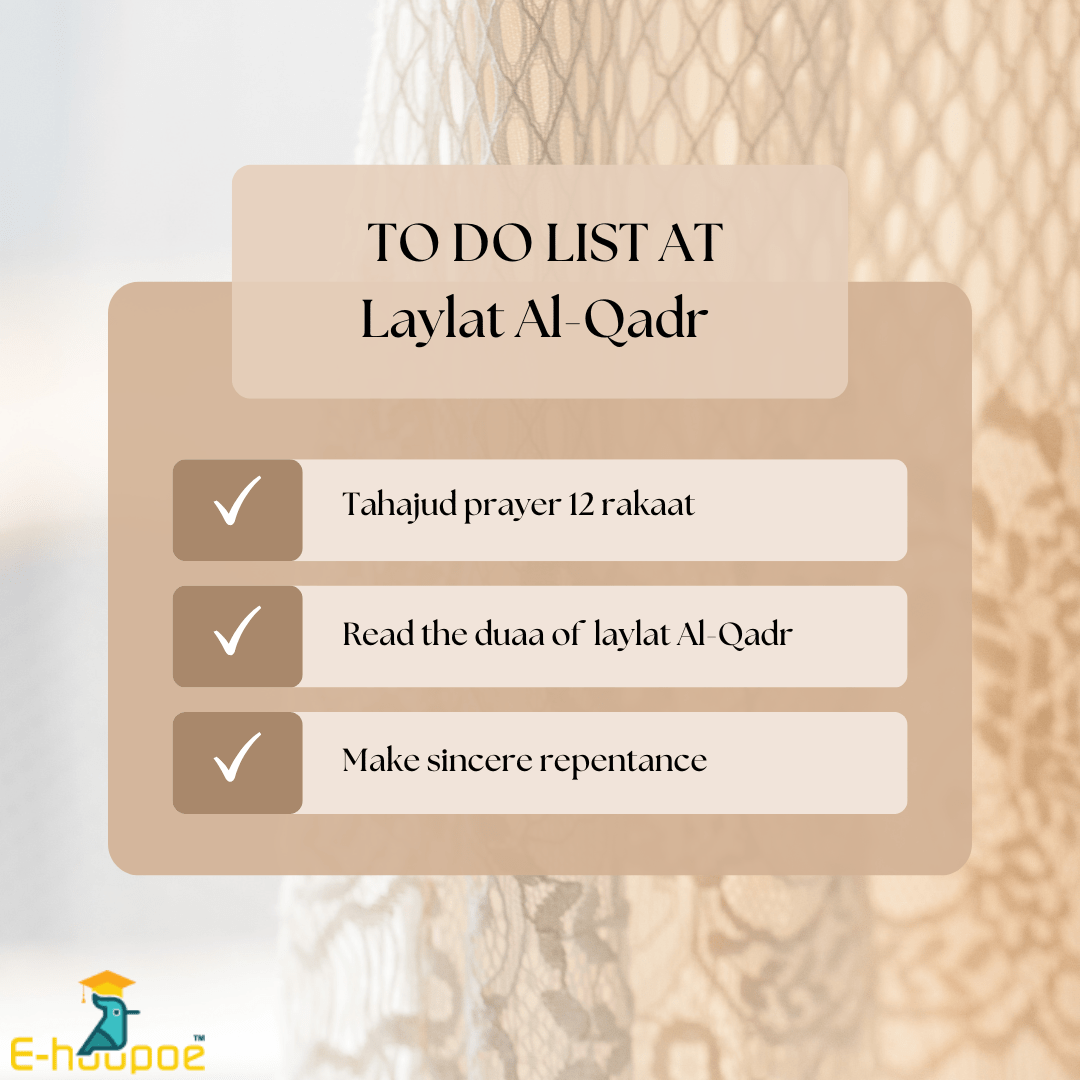
I’tikaaf (Spiritual Retreat): If possible, remain in I’tikaaf (seclusion in the mosque) to dedicate yourself to worship and reflection.
Worship & Prayers: Laylatul Qadr is also known as the Night of Decree, where destinies for the coming year are determined. Engage in Taraweeh, Tahajjud, and additional Nawafil (voluntary prayers) to maximize blessings.
Repeat the duaa of laylt al-qadr as much as you can: اللهم إنك عفو تحب العفو فاعف عني “ oh allah you are the most forgiving, please forgive me.
Giving Charity: Any righteous act performed on this night carries infinite rewards. Many Muslims prefer to pay their Zakat during Ramadan, especially on Laylatul Qadr, to maximize blessings.
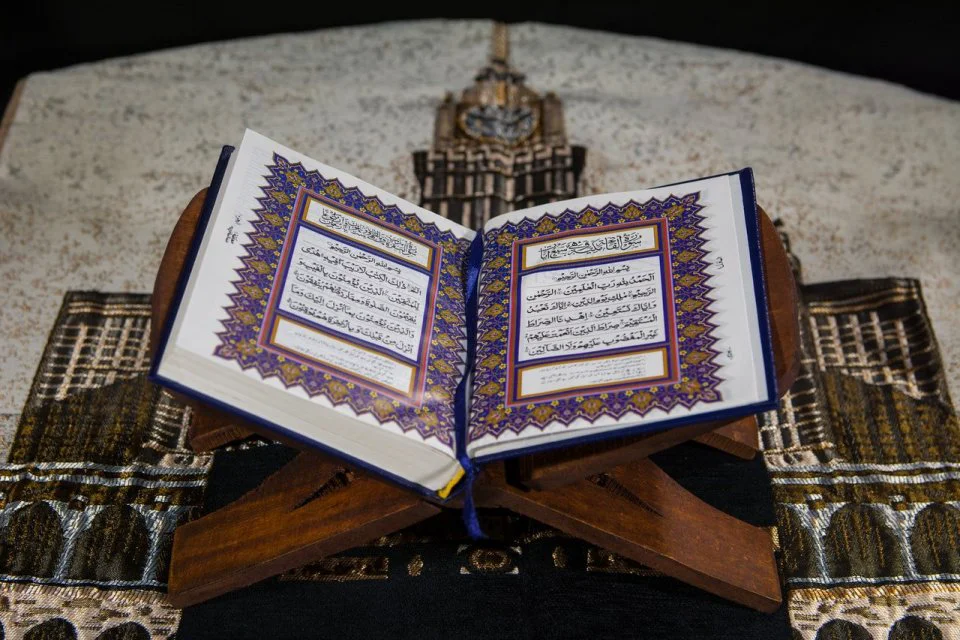
Recitation of the Quran: Engage in the recitation of the Quran, reflecting on its meanings and seeking guidance. Take advantage of E-hoopoe best online quran classes to connect with the Quran on a deeper level
Dhikr and Istighfar (Remembrance and Seeking Forgiveness): Engage in continuous zikr (SubhanAllah, Alhamdulillah, Allahu Akbar) and seek forgiveness by repeatedly saying Astaghfirullah.
Allah (SWT) has hidden the exact night of Laylatul Qadr out of mercy, so we may strive harder in worship during the last ten nights of Ramadan. By increasing our prayers, dhikr, duaas, and acts of charity, we ensure that we do not miss the blessings of this sacred night.
How did prophet Muhammad spend this night?
We know what to do on laylatul qadr from the sunnah; Prophet Muhammad (peace be upon him) would often spend the night in deep devotion, prayer, and reflection. He was known for his long night prayers (Tahajjud), standing for hours in worship, reciting the Quran, and seeking closeness to Allah. His nights were filled with supplication, gratitude, and contemplation of divine wisdom. He would also engage in acts of kindness, attending to the needs of his family and companions. Even in moments of rest, he maintained mindfulness and humility, embodying the balance between spiritual dedication and human needs. His nights were a testament to his unwavering faith, patience, and deep connection with Allah.
Best duaa for laylatul qadr
The best duaa for Laylatul Qadr, the most sacred night in Islam, is the one taught by Prophet Muhammad (peace be upon him) to his beloved wife Aisha (RA) when she asked him what to say if she were to witness this night. He advised her to recite:
اللهم إنك عفو تحب العفو فاعف عني
“O Allah, You are the pardoner, and You love forgiveness, so please forgive me.”
This powerful supplication captures the essence of Laylatul Qadr, a night when Allah’s mercy and forgiveness descend upon those who sincerely seek Him. The word ‘Afuw’ (Most Forgiving) refers to Allah’s attribute of completely erasing sins, not just pardoning them but wiping them away as if they never existed. This duaa reminds believers to turn to Allah with a humble heart, seeking His boundless mercy and cleansing of past mistakes.
Throughout the night, this duaa should be recited abundantly, with deep sincerity and reflection
Enhance your spiritual experience with E-Hoopoe
Enhance your Laylatul Qadr experience with E-Hoopoe’s best online islamic courses, your trusted companion in deepening your understanding of Quran, Islam, and the Arabic language. As a premier provider of expertly crafted courses, E-Hoopoe offers a transformative learning journey tailored to all levels; whether you seek to perfect your Quranic recitation, gain a deeper grasp of Islamic teachings, or master the beauty of the Arabic language. With a commitment to authenticity and excellence, E-Hoopoe integrates modern technology with traditional scholarship, making spiritual growth accessible and engaging.
Conclusion
Laylatul Qadr is a night that can transform our destiny, a chance to erase past sins, seek Allah’s mercy, and lay the foundation for a blessed future. Knowing what to do on Laylatul Qadr is essential to making the most of this unparalleled opportunity. Through sincere worship, heartfelt duaas, Quran recitation, and acts of charity, we can draw closer to Allah and earn His boundless forgiveness.
To deepen your understanding and enhance your spiritual journey, E-Hoopoe offers expertly designed Quran, Islamic, and Arabic courses to help you grow in faith and knowledge.
Join E-Hoopoe today and gain the knowledge to elevate your worship on Laylatul Qadr and beyond!