
When you first begin learning Tajweed, you might come across the term Qalqalah and wonder, “What is Qalqalah in tajweed?”. To understand this let’s go back to the beginning of revelation. The Quran, revealed by Allah SWT to Prophet Muhammad (PBUH), was preserved with great care, especially regarding its recitation. Over time, scholars added marks like Fatha, Kasra, Dummah, Tanween, and Shaddah to guide pronunciation in Tajweed.
Qalqalah occurs specifically due to the presence of Sukoon on certain letters. When these letters are in sukoons state, they produce a distinct echoing sound, known as Qalqalah. This unique pronunciation enhances the beauty of the recitation and is an essential part of mastering Tajweed.
What is Qalqalah in tajweed?
Qalqalah in Tajweed refers to a technique of pronouncing certain Arabic letters with a Sukoon (indicating no vowel sound), resulting in a reverberating or echoing sound. The term “Qalqalah” in Arabic means “vibration” or “disturbance,” and it applies when certain letters are pronounced with a Sukoon, causing them to resonate or “vibrate” slightly. This echoing sound gives emphasis to these letters, making them distinct and clear in recitation.
Qalqalah serves both a functional and aesthetic purpose. Functionally, it ensures that the pronunciation of these letters is distinct and clear, helping to avoid errors in recitation. Aesthetically, it adds a musical quality to the recitation, enhancing the beauty and rhythm of the Quranic verses, in line with the principles of Tajweed.
Qalqalah letters
There are five letters in Arabic that are affected by Qalqalah when they have a Sukoon:
- ق (Qaf) produces a strong echoing sound when pronounced with Sukoon, as seen in words like “مقْمحون”.
- ط (Taa) is considered the strongest of the Qalqalah letters, generating a particularly pronounced echo when spoken with Sukoon.
- ب (Baa) when pronounced with Sukoon, creates a light, bouncing sound, as demonstrated in the word “يبْصرون”
- ج (Jeem) aslo produces a slight bouncing effect with Sukoon
- د (Dal) vibrates slightly when pronounced with Sukoon, as in the word “لقدْ”
These 5 letters are combined in one Arabic phrase (قطب جد) to make it easier for students to remember. They also require a strong tone when pronounced, especially when one stops at them, ensuring clarity and preventing confusion with other similar-sounding letters.
Levels and types of Qalqalah
The types of Qalqalah in Tajweed are classified into three main categories each with distinct characteristics based on the positioning of the letter and whether it is accompanied by a Shaddah or Sukoon.
- Qalqalah Sughra (Lesser)
This type occurs when a Qalqalah letter is in the middle of a word with a Sukoon. The echoing effect is weak, and the reciter moves quickly to the next letter. This type ensures smooth recitation without an overly pronounced echo.
Example: (خلقنا) the letter Qaf is in the middle of the word.
- Qalqalah Wusta (Intermediate)
When a Qalqalah letter appears at the end of a word but without a Shaddah, the echoing is moderate. This type strikes a balance between the strong and weak forms, ensuring clarity while maintaining the rhythm of recitation.
Example: (قد أفلح) the letter dal came at the end without a shadda.
- Qalqalah Kubra (Greater)
The strongest form of Qalqalah occurs when a Qalqalah letter is at the end of a word or verse and is accompanied by a Shaddah. The letter produces a strong, resonating echo, especially when the reciter pauses at the end of the verse. This type emphasizes the clarity and resonance of the sound, enhancing the musicality of the recitation.
Example: (الفلق)
These levels of Qalqalah help to preserve the integrity of the pronunciation of Quranic verses, adding distinctiveness to each letter based on its position and diacritical markings, while also contributing to the beauty and rhythm of the recitation.
| Type | Qalqalah sughra | Qalqalah wusta | Qalqalah kubra |
| Example | يحتنبون | قد أفلح | وتب |
Rules and conditions of Qalqalah
In order to properly apply Qalqalah, there are specific rules and conditions that must be followed.
Key rules to keep in mind:
- Qalqalah Letters: Only five letters are capable of producing the Qalqalah effect: ق (Qaf), ط (Taa), ب (Ba), ج (Jeem), and د (Dal). These letters are the focus of Qalqalah rules, and the correct pronunciation of these letters is essential for correct recitation.
- Sukoon Requirement: For Qalqalah to occur, the designated letter must be Sakin (having a Sukoon), meaning it must not have a vowel sound. If the letter has a vowel sign, no Qalqalah will occur, and the letter is pronounced without the echoing effect.
- Position in the Word: The position of the Qalqalah letter in the word also affects the intensity of the echo. If the Qalqalah letter appears at the end of a word or verse, and the reciter pauses, a stronger echo is produced (Qalqalah Kubra). If the letter is in the middle of a word, the echo is weaker (Qalqalah Sughra).
- Strength of Qalqalah: Not all Qalqalah letters create the same level of echo. ط (Taa) is considered the strongest Qalqalah letter, while ق (Qaf), ب (Ba), ج (Jeem), and د (Dal) produce progressively lighter effects.
- Consecutive Sukoon Letters: If a Qalqalah letter with Sukoon is followed by another letter with Sukoon, the Qalqalah effect becomes longer, creating a more noticeable echo.
- Shaddah (Double Consonant): If a Qalqalah letter has a Shaddah (a doubling of the consonant), the echoing sound is stronger. This is particularly important when the Qalqalah letter is at the end of a verse or word, and the reciter pauses.
- Multiple Qalqalah Letters: When two Qalqalah letters appear together in a recitation, the echoing sound intensifies.
These rules ensure that the pronunciation of the designated letters is clear and consistent with the principles of Tajweed.
Qalqalah examples from Quran
1- Qalqalah Sughra (Lesser):
- يجْتنبون : The letter ج(Jeem) has Sukoon in the middle of the word, so the Qalqalah is weak.
- “تطْهِيرًا” Surah Al-Ahzab: The letter ط (Taa) has Sukoon in the middle, creating a lighter echo.
2- Qalqalah Wusta (Intermediate):
- “نَجِدْ لَهُ” : Surah Al-Mulk: The letter د (Dal) appears at the end of the word, producing a moderate Qalqalah.
3- Qalqalah Kubra (Greater):
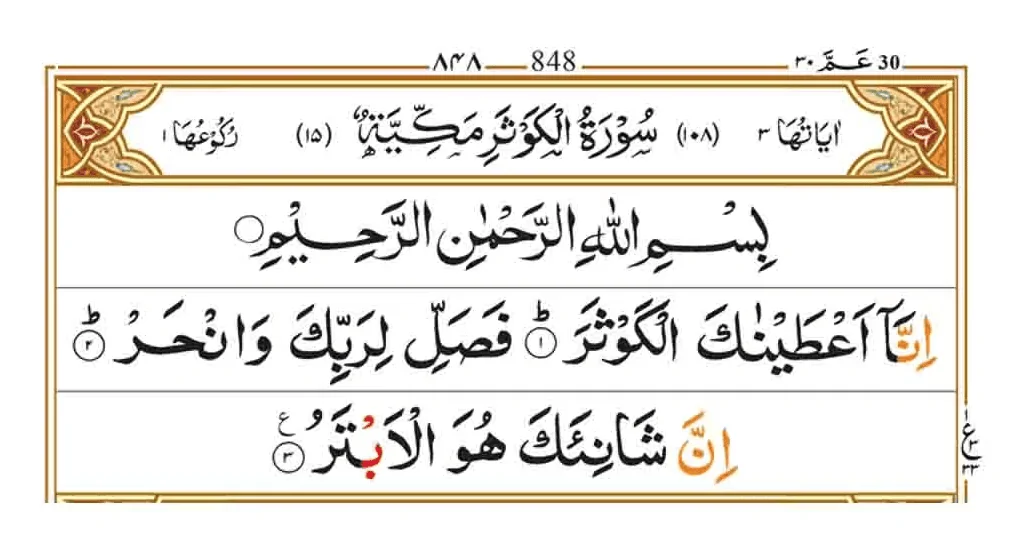
- “ابي لهب وتب”: the letter (baa) at the end of the word with shadda.
- كَسَبَ“: Surah Al-Ahzab: The letter ب (Ba) at the end of the verse with Sukoon and Shaddah creates a strong Qalqalah.
These examples demonstrate how the Qalqalah letters are pronounced differently depending on their position within a word or verse and the presence of Sukoon or Shaddah. This distinction is important for accurate Tajweed application and maintaining the rhythm and beauty of Quranic recitation.
Learn more tajweed rules with E-hoopoe
E-Hoopoe is an international online institute offering personalized online classes in Arabic language, Quran, and Islamic studies. Their courses are designed for both children and adults, providing a flexible and convenient learning experience from the comfort of your home.
Features of tajweed courses at E-Hoopoe:
- High quality materials: E-Hoopoe offers the best online Quran classes, providing high-quality materials designed to enhance your learning experience. These classes are tailored to meet individual needs, ensuring you master Quranic recitation, Tajweed, and memorization with a deep understanding of the rules.
- Qualified Tutors: Their male and female tutors are highly trained in online teaching, many of whom graduated from Al-Azhar University, ensuring a high standard of education.
- Flexible Scheduling: With the convenience of online learning, you can schedule classes at times that fit your lifestyle, making it easier to balance your studies with other commitments.
Why learn tajweed with E-hoopoe?
E-Hoopoe creates a supportive atmosphere for learning Tajweed, allowing students to progress with confidence. The personalized attention ensures that no question goes unanswered, and you’ll always receive guidance to refine your recitation. Additionally, by leveraging advanced learning materials, such as audio-visual aids and interactive lessons, E-Hoopoe makes mastering Tajweed both engaging and practical. These resources help reinforce key concepts and make retention easier.
What further sets us apart is our commitment to accurate feedback and progress tracking. We continuously assess your development through regular evaluations and detailed feedback, enabling you to track your improvements and identify areas for growth. This approach keeps you motivated and on the right path throughout your learning journey.
Conclusion
To sum up, understanding what is Qalqalah in Tajweed plays a key role in achieving accurate and melodious Quran recitation. To apply it correctly, one must know the letters, the types and the rules governing it.
E-hoopoe is dedicated to teach muslim sisters and brothers, young and old the correct rules of tajweed in an engaging and simplified technique. So if you want to learn tajweed or want your kids to learn it, join us at E-hoopoe today!
Frequently asked questions
- How long does it take to learn Qalqalah?
Learning Qalqalah can take just a few days. It’s a relatively easy concept to grasp and apply with regular practice.
- Does E-hoopoe provide any other courses?
Yes, E-hoopoe offers many other courses such as:
- Online Quran Classes
- Online Arabic Language Courses
- Online Foundation Courses
- What Muslims Must Know
Here are a few examples of our Quran Courses that will be helpful for you:
- Online Quran Classes for Kids: Tailored programs designed specifically for children to learn Quranic recitation and memorization.
- Quran Course from Zero: Start from the basics and progress to advanced levels of recitation and understanding.
- Online Quran Recitation Course: Focus on improving recitation skills with expert guidance and practice.